 111
111 2
2 3
3 4
4 5
5 6
6 7
7 8
8 9
9 10
10 11
11 12
12 13
13 14
14 15
15 16
16 17
17 18
18 19
19 20
20 21
21 22
22 23
23 24
24 25
25 26
26 27
27 28
28 29
29 30
30 31
31 32
32 33
33 34
34 35
35 36
36 37
37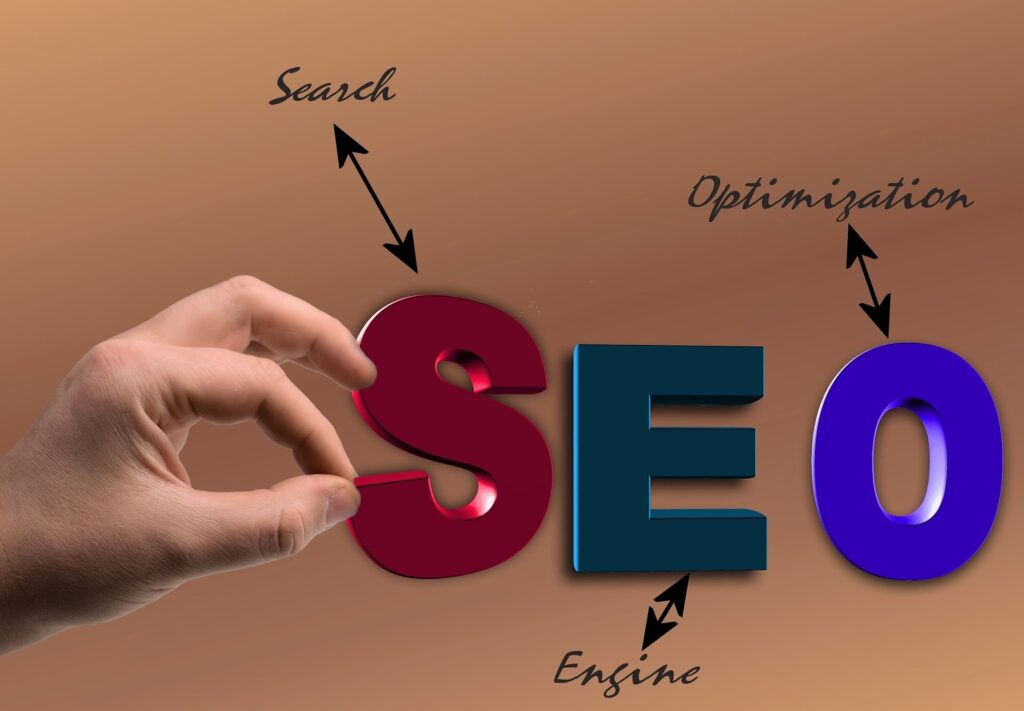 38
38 39
39 40
40 41
41 42
42 43
43 44
44 45
45 46
46 47
47 48
48 49
49 50
50 51
51 52
52 53
53 54
54 55
55 56
56 57
57 58
58 59
59 60
60 61
61
Digital marketing has become one of the most important drivers of business growth in the modern economy. As consumers increasingly rely on online platforms to discover products, compare services, and make purchasing decisions, businesses must develop effective digital marketing strategies to remain competitive and achieve sustainable growth.
The digital marketing landscape continues to evolve rapidly. Artificial intelligence, advanced analytics, personalized customer experiences, voice search optimization, social commerce, and data-driven advertising are transforming how organizations connect with customers. Companies that adapt quickly to these changes are gaining significant competitive advantages, while those that fail to innovate risk losing market share.
Digital marketing matters because it enables businesses to reach highly targeted audiences, measure campaign performance accurately, and optimize marketing investments in real time. Unlike traditional marketing methods, digital channels provide detailed insights into customer behavior, allowing organizations to improve engagement and conversion rates continuously.
This guide explores the most effective digital marketing strategies businesses can implement to increase visibility, attract customers, improve conversions, and achieve long-term growth.
The digital marketing industry has evolved from basic online advertising into a sophisticated ecosystem involving search engines, social media platforms, content networks, marketing automation tools, and analytics systems.
Major technology companies such as Google, Meta, Microsoft, LinkedIn, Adobe, HubSpot, and Salesforce have developed platforms that enable businesses to market products and services effectively across multiple digital channels.
Digital marketing is now considered a core business function rather than a supplementary marketing activity. Organizations across industries allocate significant portions of their budgets to digital campaigns because of measurable performance and scalability.
Key digital marketing services include:
Digital marketing serves businesses of all sizes, from startups and small businesses to multinational corporations operating across global markets.
Official Sources:
Google: google.com
HubSpot: hubspot.com
Meta Business: business.facebook.com
The biggest development in recent years has been the integration of Artificial Intelligence, automation, and advanced analytics into marketing workflows.
Businesses are increasingly adopting:
Businesses can access official marketing resources through:
Google Search Central:developers.google.com/search
Google Analytics: analytics.google.com
HubSpot Resources: hubspot.com/resources
Meta Business Resources: facebook.com/business
LinkedIn Marketing Solutions: business.linkedin.com
These platforms regularly publish official guidance, case studies, and industry best practices.
SEO remains one of the most cost-effective digital marketing channels.
Content marketing helps businesses educate audiences and build trust.
Video continues to dominate engagement metrics.
Popular formats include:
Research consistently shows that video content generates higher engagement than text-only content.
Social media platforms provide direct access to customers.
Popular platforms include:
Benefits include:
Email remains one of the highest ROI marketing channels.
Benefits:
Digital marketing increasingly relies on mobile experiences.
Modern marketing apps emphasize:
Successful apps prioritize:
Businesses continuously optimize:
Key priorities include:
Organizations that invest in SEO achieve:
Content marketing supports:
Paid advertising enables:
Social media provides:
Businesses can monitor:
Consumers benefit from:
Organizations gain:
Digital transformation forces businesses to innovate continuously.
Competition increasingly depends on:

Industry experts consistently identify several growth opportunities.
Successful digital marketing depends on:
Digital marketing spending is expected to continue growing as businesses shift budgets toward measurable digital channels.
Digital marketing tools are available worldwide.
Most major platforms operate globally across:
Official Resources:
Google: google.com
Meta: meta.com
LinkedIn: linkedin.com
Typical investment:
Costs vary based on:
Many providers offer:
Businesses should compare:
Digital marketing generally provides measurable returns when implemented strategically.
Future marketing innovations will likely include:
Businesses should prepare for:
Digital marketing will remain a major driver of business expansion for the foreseeable future.
Digital marketing success is not achieved through a single tactic. Sustainable growth requires an integrated strategy combining SEO, content marketing, social media, email marketing, analytics, and paid advertising.
Businesses should:
Organizations that embrace digital transformation can:
Companies that consistently invest in digital marketing capabilities will be better positioned to compete in increasingly digital markets.
Official Resources:
Google Search Central: developers.google.com/search
Google Analytics: analytics.google.com
HubSpot Academy: academy.hubspot.com
Google: google.com
Google Analytics: analytics.google.com
Google Search Central: developers.google.com/search/docs
Google Developers: developers.google.com
HubSpot Knowledge Base: knowledge.hubspot.com
Artificial Intelligence, predictive analytics, automation platforms, and advanced personalization technologies.
Immediately. Early adoption provides a competitive advantage.
Businesses of all sizes, organizations, nonprofits, and individual professionals.
Costs vary depending on strategy, industry, competition, and business objectives.
Yes. Most internet users now access content through mobile devices.
Digital marketing offers better targeting, measurement, scalability, and ROI tracking.
Digital marketing remains one of the most powerful tools available for business growth. Organizations that invest in SEO, content marketing, social media, email campaigns, video marketing, analytics, and AI-powered automation can create sustainable competitive advantages in today’s digital economy.
The most successful companies focus on delivering value to customers while continuously optimizing performance through data-driven decision-making. As technology continues to evolve, businesses that adapt quickly and embrace innovation will be best positioned for long-term success.
For business leaders, marketers, entrepreneurs, and startups, the message is clear: digital marketing is no longer optional—it is an essential component of sustainable growth and competitive success in 2026 and beyond.
The information provided in this article, “Top Digital Marketing Strategies for Business Growth in 2026,” is intended for general informational and educational purposes only.
Digital marketing trends, online platforms, search engine algorithms, advertising policies, and business strategies may change over time. While we aim to provide accurate and useful information, we do not guarantee that the strategies discussed will produce specific results for every business.
Every business has different goals, audiences, budgets, and market conditions. Readers should evaluate their own circumstances and conduct additional research before implementing any marketing strategy.
Any references to digital marketing tools, platforms, companies, or third-party resources are provided for informational purposes only and do not represent an endorsement, partnership, or guarantee of performance.
We are not responsible for any losses, damages, or business outcomes resulting from the use of the information presented in this article. Businesses should seek professional advice when making important marketing, financial, or operational decisions.