
 111
111 2
2 3
3 4
4 5
5 6
6 7
7 8
8 9
9 10
10 11
11 12
12 13
13 14
14 15
15 16
16 17
17 18
18 19
19 20
20 21
21 22
22 23
23 24
24 25
25 26
26 27
27 28
28 29
29 30
30 31
31 32
32 33
33 34
34 35
35 36
36 37
37 38
38 39
39 40
40 41
41 42
42 43
43 44
44 45
45 46
46 47
47 48
48 49
49 50
50 51
51 52
52 53
53 54
54 55
55 56
56 57
57 58
58 59
59 60
60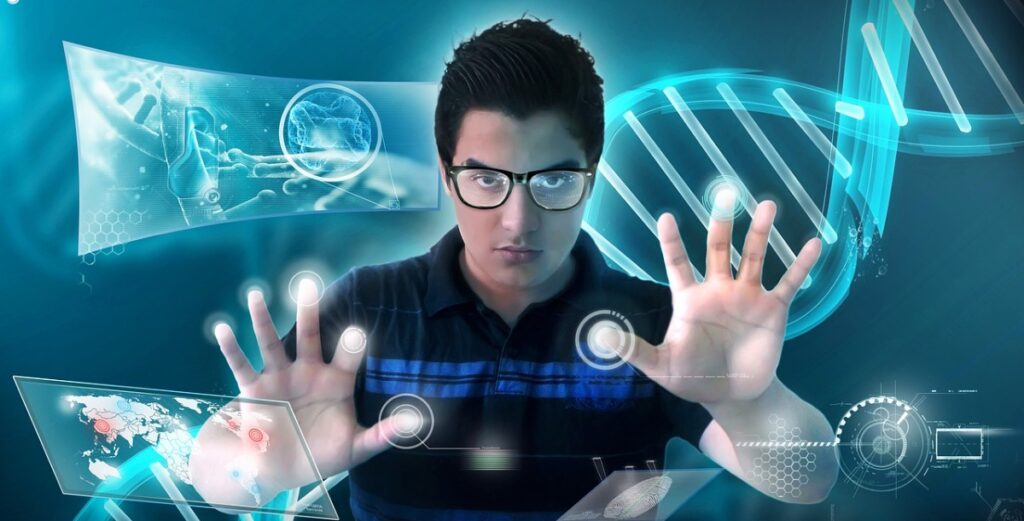 61
61
For decades, cyborg technology existed mainly in science fiction. Movies, novels, and television imagined humans with robotic limbs, enhanced vision, artificial intelligence, and superhuman abilities. Today, many of those ideas are becoming reality. Scientists, engineers, doctors, and technology companies are creating devices that allow humans and machines to work together in ways that were once considered impossible.
The modern cyborg is not a fictional superhero. Instead, it may be a patient using a robotic prosthetic arm controlled by brain signals, a person with a cochlear implant restoring hearing, or someone with a wearable device that continuously monitors heart health. These innovations demonstrate that cyborg technology is no longer about replacing humanity—it is about expanding human capability while improving health, independence, and quality of life.
As artificial intelligence, robotics, biotechnology, neuroscience, and advanced computing continue to evolve, cyborg technology is expected to influence healthcare, education, manufacturing, transportation, defense, and even everyday consumer electronics. The relationship between humans and intelligent machines is becoming more collaborative than ever before.
A cyborg—short for cybernetic organism—is a living being whose natural abilities are enhanced or restored through technology. This enhancement can include mechanical devices, electronic implants, wearable systems, or artificial intelligence working alongside the human body.
Unlike fully autonomous robots, cyborg technology combines biological systems with engineered technologies. The objective is not to replace people but to help them overcome limitations, recover lost abilities, or perform tasks more effectively.
Examples include:
These technologies represent different stages of human-machine integration and continue to improve through research and innovation.
Why Cyborg Technology Matters
Cyborg technology is transforming lives by restoring mobility, improving communication, enhancing medical treatment, and enabling people with disabilities to regain independence. Rather than replacing humans, the goal is to extend human potential through responsible innovation.
The journey toward cyborg technology has unfolded gradually over many decades.
One of the earliest forms of cyborg technology appeared in medical science. Pacemakers helped regulate heart rhythms, while artificial joints restored mobility. These devices demonstrated that technology could safely become part of the human body.
The development of computers, microprocessors, and advanced electronics allowed medical devices to become smaller, more accurate, and more intelligent. Doctors could now monitor patients in real time and deliver personalized treatments.
Artificial intelligence introduced adaptive systems capable of learning from user behavior. AI now powers advanced prosthetic limbs, health-monitoring devices, and rehabilitation technologies that respond to changing conditions.
Recent advances in neuroscience have enabled direct communication between the human brain and computers. Although still developing, brain-computer interfaces may eventually allow individuals to control computers, wheelchairs, robotic arms, and other devices using thought alone.
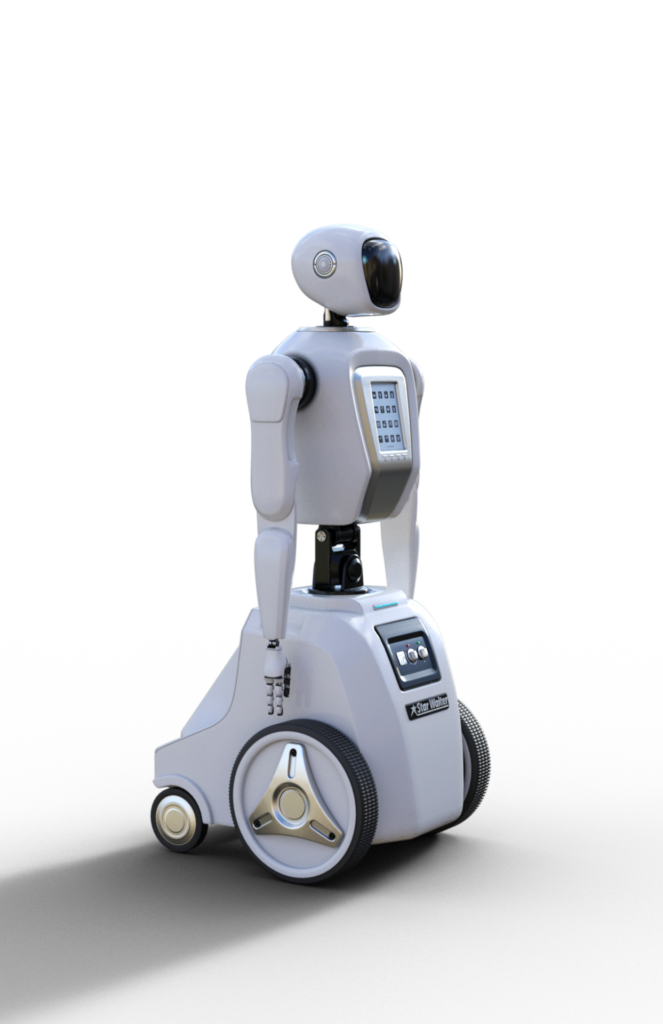
Several scientific fields contribute to modern cyborg development.
AI interprets sensor data, recognizes movement patterns, predicts user intentions, and continuously improves device performance.
Modern robotics enables prosthetic limbs and exoskeletons to perform complex movements with remarkable precision and stability.
Biotechnology supports compatibility between implanted devices and living tissue while reducing the risk of rejection or infection.
Advanced sensors monitor movement, pressure, muscle activity, body temperature, and environmental conditions, allowing devices to respond naturally.
Wireless technologies allow implants and wearable devices to securely exchange information with smartphones, hospitals, and cloud-based healthcare systems.
Cyborg technology is already improving millions of lives around the world.
Hospitals increasingly use robotic-assisted surgery, AI-powered diagnostic systems, and intelligent prosthetics to improve treatment outcomes.
Patients recovering from strokes or spinal cord injuries benefit from robotic rehabilitation systems that support movement and accelerate therapy.
Individuals with hearing or vision impairments use advanced implants and wearable devices that improve communication and daily living.
Industrial workers use powered exoskeletons to reduce fatigue, lower injury risks, and safely handle heavy equipment.
Human Experience
Imagine losing the ability to walk after a serious accident. With modern robotic exoskeletons and months of rehabilitation, some patients are taking assisted steps again. For many families, this is more than technological progress—it is the restoration of independence, dignity, and hope.

Several global trends are accelerating cyborg innovation:
These developments are reducing costs while making advanced human-machine technologies more practical for everyday use.
Cyborg technology is transforming from an emerging scientific concept into a practical force for innovation across healthcare, robotics, artificial intelligence, and biotechnology. From restoring mobility through intelligent prosthetics to advancing brain-computer interfaces and wearable medical devices, these technologies are improving lives and expanding human capabilities. As research continues, the future of human innovation will depend on developing cyborg technologies that are safe, ethical, accessible, and focused on enhancing human well-being rather than replacing it.
Among all industries embracing cyborg technology, healthcare has experienced the most dramatic transformation. For millions of people living with physical disabilities, neurological disorders, hearing loss, or vision impairment, advanced cybernetic technologies are creating opportunities that were unimaginable only a generation ago.
Rather than simply treating symptoms, modern cyborg systems help restore lost abilities and improve everyday independence. Hospitals, rehabilitation centers, universities, and technology companies continue working together to develop safer, smarter, and more personalized solutions.

A Brain-Computer Interface (BCI) is one of the most exciting developments in cyborg technology. A BCI enables communication between the brain and an external device by translating neural activity into digital commands.
Instead of relying solely on muscles or physical movement, BCIs interpret electrical signals produced by the brain. These signals can be used to control computers, robotic limbs, communication devices, or wheelchairs.
Researchers believe future generations of BCIs could improve communication for people living with paralysis, spinal cord injuries, and certain neurological diseases.
The Promise of Brain-Computer Interfaces
Brain-computer interfaces represent one of the most important frontiers in medical technology. Their greatest value is not creating “superhumans,” but helping individuals regain independence, communicate more effectively, and interact with the world despite serious physical limitations.
Traditional prosthetic limbs provided limited movement and required significant physical effort. Today’s intelligent prosthetics use artificial intelligence, sensors, and machine learning to produce smoother and more natural movement.
Modern systems can recognize walking speed, climbing stairs, changing terrain, and even different grip patterns for everyday activities.
Some advanced prosthetic hands allow users to:
Continuous improvements in AI enable these devices to adapt to each user’s unique movement patterns over time.
Exoskeletons are wearable robotic systems designed to support or enhance human movement. Depending on their purpose, they may assist rehabilitation patients, factory workers, military personnel, or emergency responders.
Medical exoskeletons are helping individuals recovering from:
Rather than replacing therapy, exoskeletons complement rehabilitation by encouraging safe, repetitive movement that supports recovery.
Cyborg technology has transformed sensory restoration.
For many individuals experiencing profound hearing loss, cochlear implants bypass damaged portions of the ear and stimulate the auditory nerve directly. While they do not restore natural hearing, they often improve speech recognition and communication.
Researchers are also developing retinal implant systems that may provide limited visual perception for certain individuals with degenerative eye diseases. Although these technologies remain under development, progress continues each year.
Artificial intelligence is becoming an essential partner in modern healthcare.
AI can analyze enormous amounts of medical information faster than traditional methods, assisting healthcare professionals with:
Importantly, AI is designed to support—not replace—the expertise and judgment of qualified healthcare professionals.
Human-Centered Innovation
Successful cyborg technologies combine engineering excellence with compassionate healthcare. The goal is to improve lives while preserving patient dignity, safety, privacy, and informed choice.
Not every cyborg technology requires surgical implantation. Wearable devices have become increasingly sophisticated and now serve as practical examples of human-machine collaboration.
Examples include:
These systems collect health information continuously, allowing users and healthcare professionals to identify potential problems earlier.
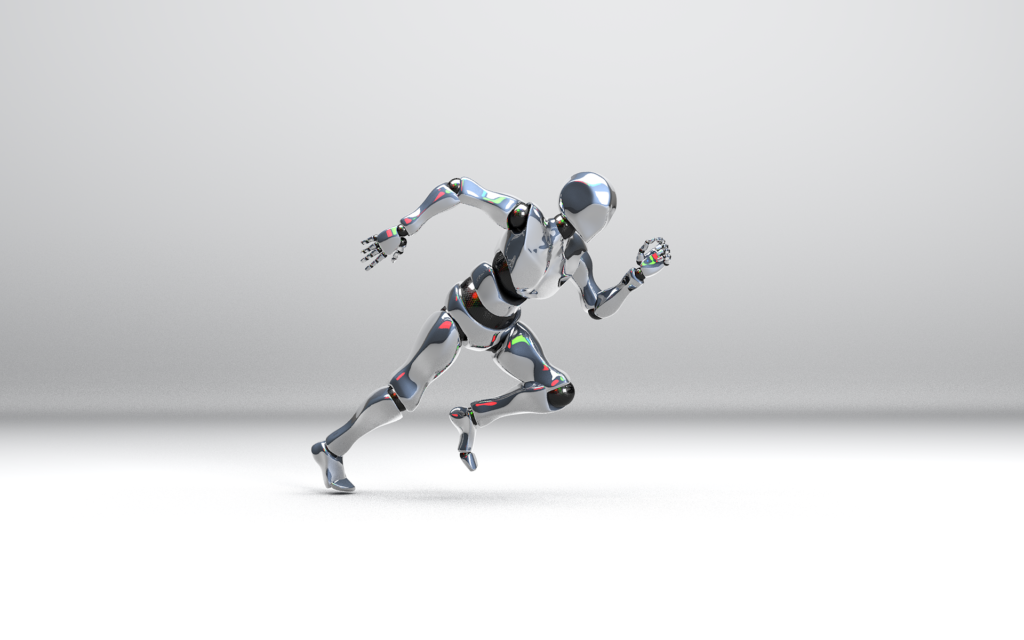
Recovery after serious injury often requires months of repetitive therapy. Intelligent rehabilitation robots help patients perform exercises consistently while collecting data that therapists can use to evaluate progress.
Benefits include:
Many rehabilitation specialists believe robotic assistance will continue becoming an important complement to traditional physical therapy.
Despite remarkable progress, cyborg technology also presents significant challenges.
Researchers, governments, healthcare providers, and technology companies continue discussing issues including:
Addressing these concerns responsibly is essential for maintaining public trust.
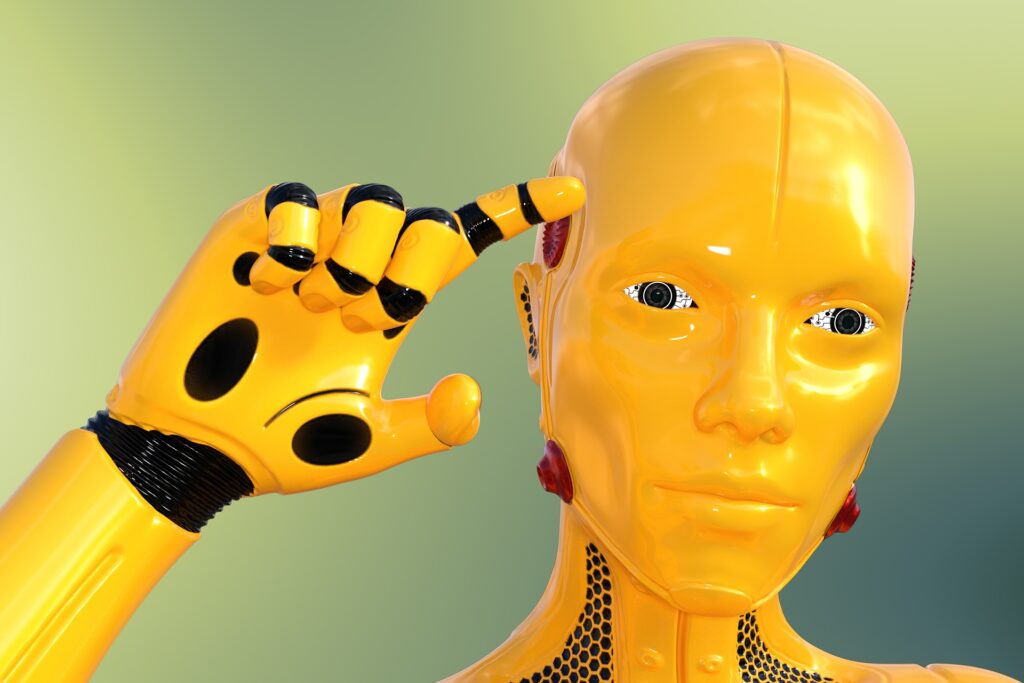
While healthcare remains the most visible application of cyborg technology, its impact is expanding into nearly every sector of the global economy. Advances in artificial intelligence, robotics, wearable computing, and human-machine interfaces are reshaping how people work, learn, travel, and solve complex challenges.
As organizations seek greater productivity and safety, cyborg technologies are becoming practical tools rather than experimental concepts.
The classroom of the future will increasingly integrate intelligent technologies that enhance both teaching and learning.
Students may benefit from:
For students with disabilities, cyborg technologies can improve access to educational opportunities by reducing physical and communication barriers.
Inclusive Innovation
One of the greatest strengths of cyborg technology is its ability to make education, employment, and daily life more accessible. Responsible innovation should focus on empowering people of all abilities.
Modern factories are rapidly adopting wearable robotics and intelligent automation to improve productivity while protecting workers.
Examples include:
These technologies help reduce workplace injuries while improving efficiency and operational accuracy.
Space agencies continue researching wearable robotic systems that can assist astronauts during long-duration missions.
Potential applications include:
Future missions to the Moon and Mars may depend heavily on advanced wearable technologies that enhance human performance in challenging environments.
Defense organizations are researching technologies that improve protection, communication, and operational effectiveness.
Examples include:
Emergency responders may also benefit from wearable robotics when performing rescue operations in dangerous environments.
However, these applications raise important ethical questions regarding responsible development and international regulation.
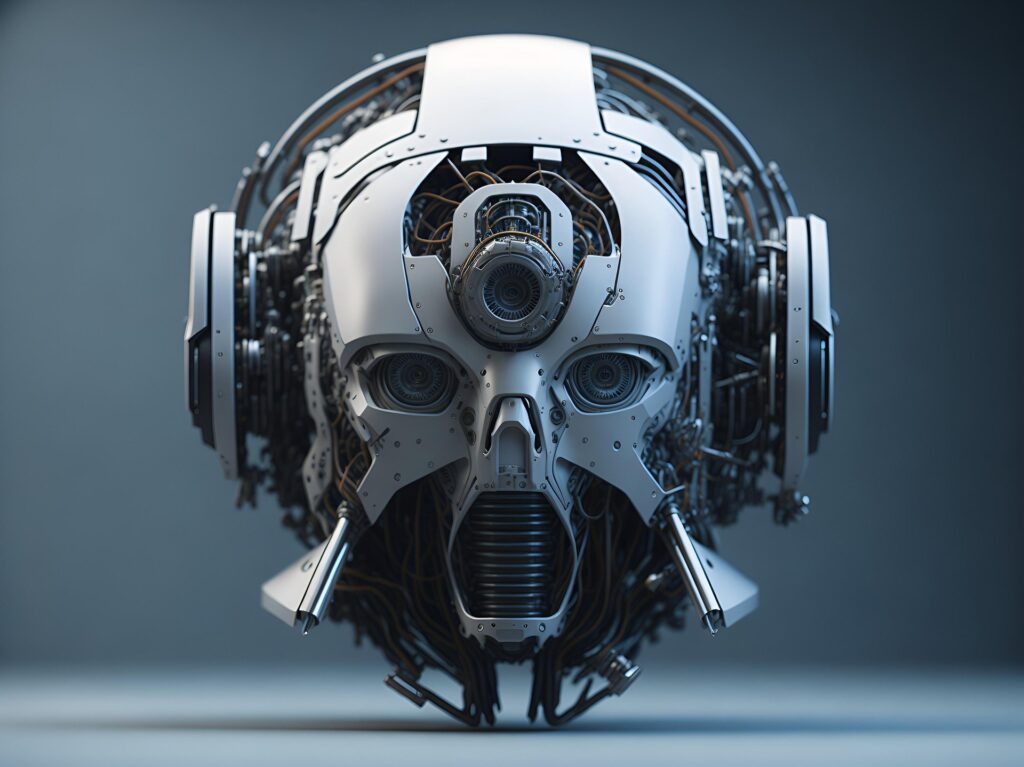
As human-machine integration advances, society must address difficult ethical issues.
Important questions include:
Developing clear ethical standards will be essential for maintaining public confidence.
Technology Should Serve Humanity
The ultimate purpose of cyborg technology should be improving human well-being, expanding opportunity, and protecting dignity. Innovation must always be accompanied by strong ethical principles, transparency, and accountability.
Because many cyborg devices collect sensitive personal information, cybersecurity has become a major priority.
Potential risks include:
Manufacturers must invest in strong encryption, secure software updates, and rigorous testing to protect users.
The growth of cyborg technology is creating new industries and career opportunities.
Demand is increasing for professionals in:
Universities are expanding interdisciplinary programs that combine engineering, medicine, computer science, and biology to prepare the next generation of innovators.
As with many emerging technologies, public acceptance depends on trust.
People are generally more comfortable with cyborg technologies that:
Applications focused purely on human enhancement may generate broader public debate and require careful ethical oversight.
Experts expect continued progress in:
Rather than replacing human intelligence, these innovations are likely to complement it, enabling people to perform tasks more safely, efficiently, and independently.
Governments, universities, healthcare providers, businesses, and technology companies all have roles to play in ensuring that cyborg innovation benefits society.
Key priorities include:
By balancing innovation with responsibility, society can maximize the benefits of cyborg technology while minimizing potential risks.
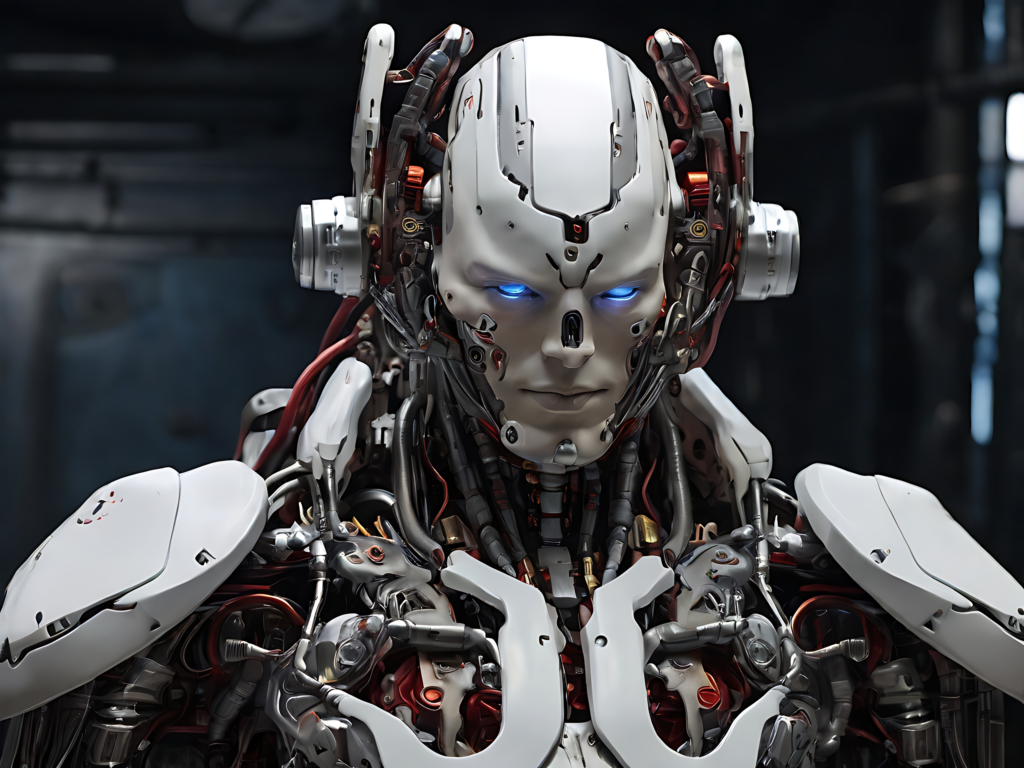
The next 20 to 30 years are expected to bring significant advances in the relationship between humans and intelligent machines. Researchers continue to improve artificial intelligence, robotics, neuroscience, advanced materials, and biomedical engineering, creating opportunities for technologies that are more capable, more affordable, and safer to use.
Several developments are widely anticipated:
The pace and direction of these advances will depend on scientific progress, clinical evidence, regulatory approval, affordability, and public acceptance.
A Human-Centered Future
The long-term success of cyborg technology will not be measured by how advanced machines become, but by how effectively they improve health, independence, accessibility, and quality of life while respecting human rights, privacy, and personal choice.
Even as innovation accelerates, several important issues must be addressed:
Developers and policymakers will need clear guidelines for distinguishing medical treatment from elective human enhancement and ensuring technologies are used responsibly.
Connected medical devices and wearables must be designed with strong security protections to reduce the risk of unauthorized access or data breaches.
Many advanced technologies remain expensive. Expanding access through research, manufacturing improvements, and healthcare systems will be important if more people are to benefit.
Medical devices undergo rigorous testing before approval. Continued oversight helps ensure that new technologies are both safe and effective.
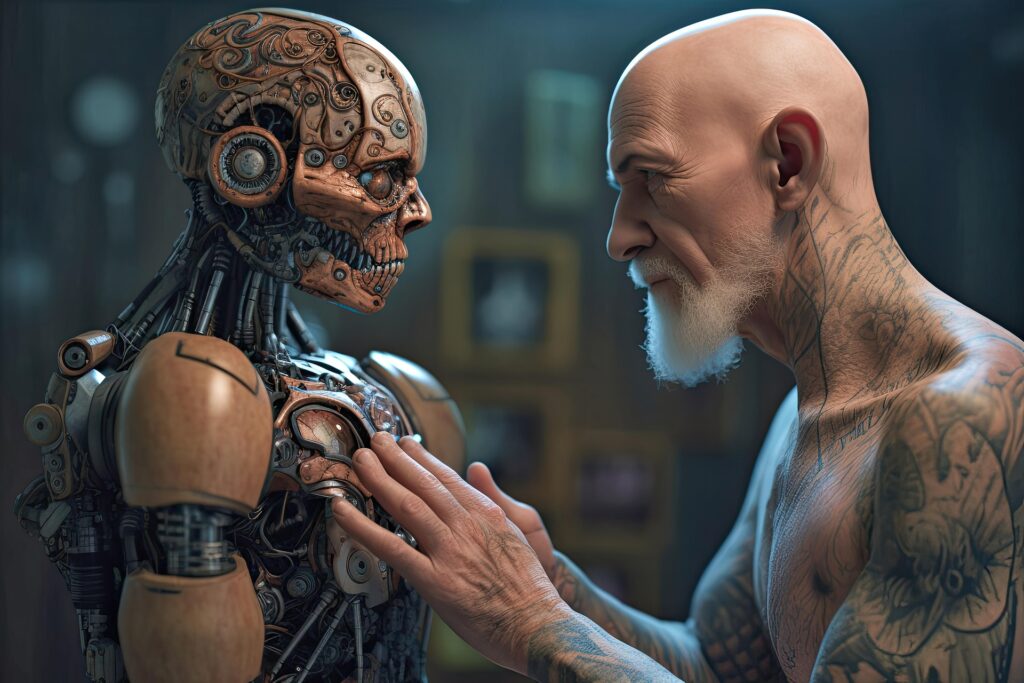
Cyborg technology combines the human body with electronic, mechanical, or digital systems to restore or enhance specific capabilities. Common examples include cochlear implants, advanced prosthetic limbs, and wearable medical devices.
Yes. Many people already use medical technologies that integrate with the body, such as pacemakers, cochlear implants, and AI-assisted prosthetics. These are practical examples of cyborg technology.
Current research is focused primarily on assisting people rather than replacing them. Most applications are designed to improve healthcare, accessibility, and human performance in specific situations.
Healthcare, rehabilitation, manufacturing, research, education, emergency response, and aerospace are among the sectors actively exploring or using cyborg-related technologies.
Potential benefits include restoring mobility, improving communication, supporting rehabilitation, increasing workplace safety, and enhancing medical care.
Challenges include privacy, cybersecurity, affordability, ethical questions, and ensuring that technologies are tested thoroughly before widespread use.
AI helps interpret sensor data, personalize device performance, support medical decision-making, and improve the responsiveness of advanced prosthetics and rehabilitation systems.
Many experts expect continued progress in brain-computer interfaces, intelligent prosthetics, wearable robotics, and personalized healthcare, although the pace of adoption will depend on research, regulation, and public trust.
Cyborg technology is no longer confined to science fiction. Across healthcare, rehabilitation, engineering, and assistive technology, it is already helping people regain abilities, improve independence, and participate more fully in everyday life.
The future of human innovation will likely be defined by collaboration between people and technology rather than competition between them. As artificial intelligence, robotics, and biomedical science continue to evolve, responsible innovation, ethical governance, and accessibility will remain essential.
If developed thoughtfully, cyborg technology has the potential to improve millions of lives while preserving the values that make technological progress meaningful: safety, dignity, inclusion, and hum
For accuracy and further reading, consider linking to:
About the Author
The author specializes in emerging technologies, artificial intelligence, robotics, and digital transformation. Their work focuses on producing well-researched, reader-friendly articles that explain complex innovations in clear language while emphasizing practical applications, ethical considerations, and the real-world impact of technology on individuals, businesses, and society.
The following authoritative resources provide additional information on artificial intelligence, robotics, biomedical engineering, medical devices, and cyborg-related technologies.
For improved SEO and user engagement, link this article to related content on your website:
The information presented in this article is intended for general educational and informational purposes only. While every effort has been made to ensure the accuracy, relevance, and reliability of the content at the time of publication, technology, artificial intelligence, robotics, biomedical engineering, and healthcare regulations continue to evolve. As a result, some information may change over time.
This article should not be considered medical, legal, engineering, financial, or professional advice. Readers should consult qualified healthcare professionals, regulatory authorities, or subject-matter experts before making decisions based on the information provided.
References to organizations, technologies, products, research institutions, or regulatory agencies are included for educational purposes only and do not constitute an endorsement, sponsorship, or partnership unless explicitly stated. External websites are maintained by their respective owners, and their content may be updated or modified without notice.
Opinions and analyses expressed in this article are based on publicly available information and current research available at the time of writing. Future technological developments, regulatory changes, or new scientific evidence may affect the accuracy or applicability of certain statements.
Readers are encouraged to verify important information through official sources, peer-reviewed research, government agencies, and recognized industry organizations before relying on it for academic, professional, medical, or business purposes.
By accessing and using this article, you acknowledge that the publisher and author are not liable for any direct or indirect loss, damage, or consequences arising from the use of the information contained herein.
Last Updated: July 2026