
 111
111 2
2 3
3 4
4 5
5 6
6 7
7 8
8 9
9 10
10 11
11 12
12 13
13 14
14 15
15 16
16 17
17 18
18 19
19 20
20 21
21 22
22 23
23 24
24 25
25 26
26 27
27 28
28 29
29 30
30 31
31 32
32 33
33 34
34 35
35 36
36 37
37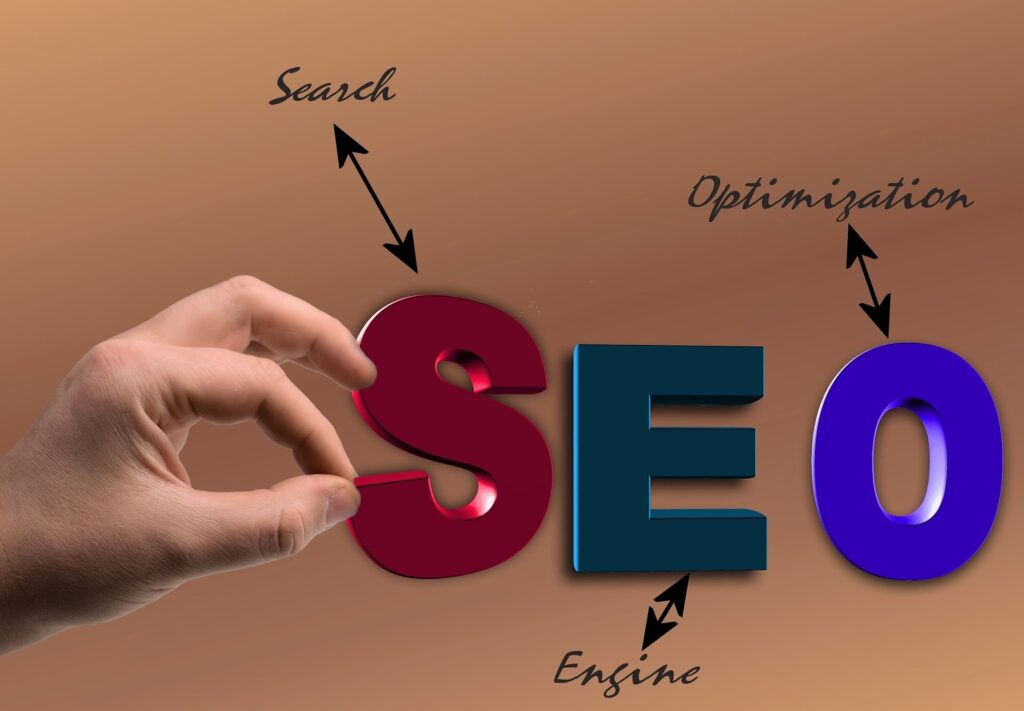 38
38 39
39 40
40 41
41 42
42 43
43 44
44 45
45 46
46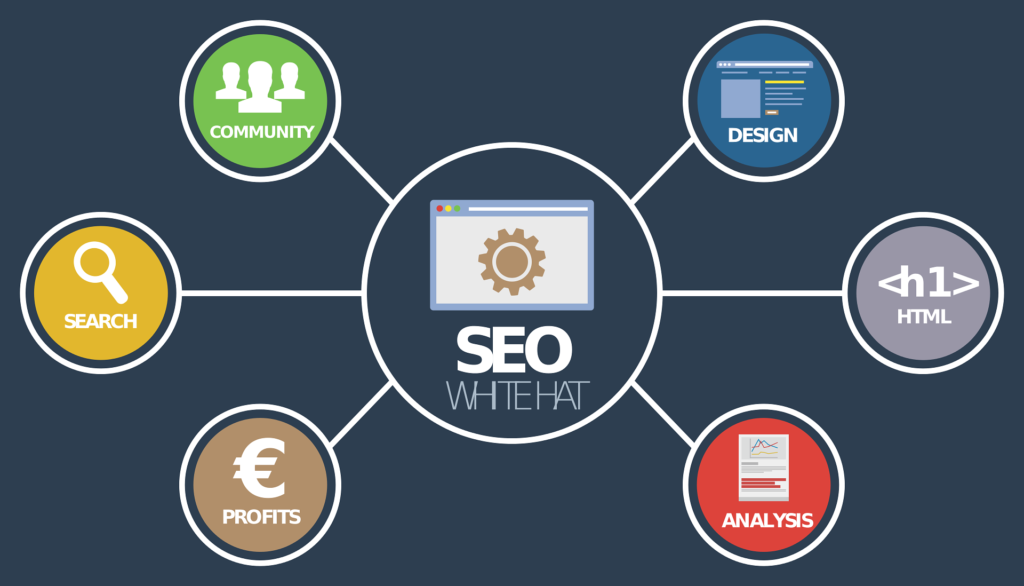 47
47 48
48 49
49 50
50 51
51 52
52 53
53 54
54 55
55 56
56 57
57 58
58 59
59 60
60 61
61
Millions of websites compete for visibility on search engines every day. Whether you run a business website, an online store, a news blog, or a personal portfolio, appearing on the first page of search results can significantly increase your traffic, credibility, and revenue.
Unfortunately, many website owners unknowingly make SEO mistakes that prevent search engines from properly understanding, indexing, and ranking their content. Some mistakes are technical, while others involve poor content quality, keyword misuse, weak website structure, or neglecting user experience.
The good news is that most SEO problems can be identified and corrected. By understanding these common pitfalls and implementing best practices, you can improve your website’s visibility, attract more qualified visitors, and build sustainable organic growth.
This comprehensive guide explores the most common SEO mistakes and provides practical, actionable solutions suitable for beginners, bloggers, business owners, marketers, and web developers.
Search Engine Optimization (SEO) is the practice of improving a website so that search engines such as Google and Bing can better understand its content and present it to users searching for relevant information.
SEO involves optimizing multiple aspects of a website, including:
Effective SEO helps websites earn organic (non-paid) traffic from search engines without relying entirely on advertising.
Highlight Box
SEO is not about manipulating search engines. Modern SEO focuses on creating helpful, trustworthy, people-first content while ensuring your website is technically accessible and easy to navigate.
Every SEO mistake has consequences. Some reduce your rankings gradually, while others can prevent pages from appearing in search results altogether.
Common consequences include:
Small mistakes may seem harmless individually, but together they can significantly impact your website’s performance.
Search engines use automated programs known as crawlers or spiders to discover web pages. After crawling a page, they analyze numerous ranking signals before deciding where it should appear in search results.
Some important ranking considerations include:
Rather than focusing on a single ranking factor, successful SEO combines technical excellence with valuable, user-focused content.

Search intent refers to the reason behind a user’s search query. Someone searching for “how to bake bread” wants instructions, while someone searching for “buy running shoes” intends to make a purchase.
Many websites create content that targets keywords without understanding what users actually want.
Keyword:
Best laptops for students
Poor content:
Better content:
Years ago, repeating keywords dozens of times could improve rankings. Today, excessive keyword repetition can make content difficult to read and may negatively affect search performance.
Our SEO services are the best SEO services because our SEO services improve SEO services for businesses needing SEO services.
Our SEO services help businesses improve organic visibility through technical optimization, content improvements, and better user experience.
Thin content provides little value to readers. It often lacks detail, originality, research, or practical guidance.
Examples include:
Create comprehensive content that includes:
Your goal should be to answer users’ questions thoroughly instead of simply increasing the number of published pages.
Focus of this section: This part covers common on-page and technical SEO mistakes that often prevent websites from ranking well, even when they publish quality content.
Duplicate content occurs when identical or substantially similar content appears on multiple pages of the same website or across different websites. Search engines may struggle to determine which version should appear in search results.
Best Practice: Every important page should provide unique value and answer a specific user need.
The title tag is one of the first elements search engines and users see in search results.
Home
Common SEO Mistakes and How to Fix Them | Complete Beginner’s Guide
A clear title tag helps search engines understand the page topic while encouraging users to click.
Although meta descriptions are not a direct ranking factor, they influence click-through rates by summarizing the page’s content in search results.
This page talks about SEO.
Learn the most common SEO mistakes, why they affect rankings, and practical strategies to improve your website’s visibility and organic traffic.
Complicated URLs are harder for users and search engines to understand.
example.com/page?id=5829&cat=18
example.com/common-seo-mistakes
Internal links connect pages within your website, helping users discover related content and helping search engines understand your site’s structure.
Highlight
Think of internal links as roads connecting different parts of your website. A well-connected website is easier for both visitors and search engines to explore.
Images improve user engagement, but poorly optimized images can slow your website and reduce accessibility.
Most users now browse websites on smartphones and tablets. A poor mobile experience can reduce engagement and hurt search performance.
Mobile-First Thinking
Design your website with mobile users in mind first, then optimize for larger screens. A fast, accessible, and user-friendly mobile experience benefits both visitors and search engines.
In this section, you learned how to avoid:
Correcting these issues strengthens your website’s technical foundation and improves both user experience and search visibility.
Advanced Technical SEO: Even exceptional content can struggle to rank if technical SEO issues prevent search engines from efficiently crawling, indexing, and evaluating your website. This section covers critical technical mistakes and practical solutions.
Website speed is a major factor in user experience. Visitors expect pages to load quickly, and delays often lead to higher bounce rates and lower engagement.
Slow-loading pages can:
Highlight
A fast website benefits both users and search engines. Even small improvements in loading speed can enhance user engagement and support stronger organic performance.
Broken links direct users to pages that no longer exist, often resulting in “404 Page Not Found” errors.
Broken links create a poor user experience and make website maintenance appear neglected.
Search engines must first discover and index your pages before they can appear in search results.
Callout Box
If a page cannot be crawled or indexed, it cannot rank—regardless of how valuable its content may be.
An XML sitemap helps search engines discover important pages across your website.
The robots.txt file tells search engine crawlers which areas of your website they may or may not access.
Structured data provides additional context about your content and can help search engines better understand pages.
Examples include:
Users expect secure websites, especially when sharing personal information.
Highlight Box
Website security supports user trust and protects your content. Maintaining a secure website is an essential part of long-term SEO and overall website management.
Core Web Vitals measure important aspects of user experience, including loading performance, responsiveness, and visual stability.
Improving these areas can create a smoother browsing experience and reduce visitor frustration.

Before publishing or updating your website, verify that you have:
Final Section: This chapter focuses on content quality, backlink strategy, AI-generated content, SEO monitoring, practical checklists, frequently asked questions, and official company resources to help you maintain long-term search performance.
Search engines increasingly reward content that is accurate, trustworthy, and genuinely helpful to readers.
Highlight Box
Readers are more likely to trust and share content that is practical, accurate, and written with genuine knowledge rather than content created only to target search engines.
Backlinks remain an important ranking signal, but not all links are beneficial.
Earn backlinks by publishing:
Quality backlinks from relevant, trustworthy websites are generally more valuable than large numbers of low-quality links.
For businesses serving specific cities or regions, local SEO helps customers discover nearby products and services.
SEO is an ongoing process rather than a one-time task.
Track important metrics such as:
Regular monitoring allows you to identify opportunities and resolve issues before they significantly affect performance.
Reality: Content should read naturally and focus on helping users.
Reality: Sustainable SEO usually requires consistent effort over time.
Reality: Quality is generally more valuable than quantity.
Reality: SEO requires regular updates, monitoring, and continuous improvement.
Before publishing new content, ask yourself:
✓ Is the content original?
✓ Does it satisfy search intent?
✓ Is the title clear and descriptive?
✓ Is the meta description unique?
✓ Are headings well organized?
✓ Are images optimized?
✓ Are internal links included?
✓ Does the page load quickly?
✓ Is the website mobile-friendly?
✓ Is the content free of spelling and grammar errors?
✓ Are important pages indexed?
✓ Is HTTPS enabled?
✓ Have you reviewed the page for technical issues?
SEO improvements often take weeks or months, depending on competition, website authority, content quality, and technical health. Consistency is essential.
AI can assist with brainstorming, outlining, and drafting, but content should always be reviewed, improved, fact-checked, and edited to ensure it is accurate, original, and genuinely helpful.
Review important pages periodically and update them whenever information becomes outdated, new developments occur, or better resources become available.
Each important page should focus on a distinct topic or primary search intent while naturally incorporating related terms where appropriate.
Publishing content without understanding the audience’s search intent, neglecting technical SEO, and prioritizing search engines over user experience are among the most common mistakes.
SEO success rarely comes from shortcuts. Instead, it results from consistently creating valuable content, maintaining a technically sound website, and providing an excellent experience for visitors.
Rather than chasing quick ranking gains, focus on building a website that answers users’ questions, loads quickly, works well on every device, and demonstrates expertise through accurate, trustworthy information. These principles align with long-term search engine best practices and help build sustainable organic visibility.
For the most accurate and up-to-date guidance, consult these official resources:
Disclaimer
Search engine optimization evolves continuously as search engines update their algorithms and guidance. Review official documentation regularly and verify recommendations against the latest published resources before implementing major SEO changes.
Avoiding common SEO mistakes is one of the most effective ways to improve your website’s long-term visibility. By focusing on high-quality content, sound technical optimization, user experience, and continuous monitoring, you create a stronger foundation for sustainable organic growth. Remember that successful SEO is an ongoing commitment to serving your audience with accurate, useful, and trustworthy information while keeping your website technically healthy and accessible.
The recommendations in this guide are based on SEO best practices published by leading search engines, web standards organizations, and official documentation. Because search algorithms and technical guidance evolve over time, readers should always consult the latest official resources before making significant changes to their websites.
The information in this article is provided for educational and informational purposes only. While every effort has been made to ensure accuracy at the time of writing, search engine algorithms, ranking systems, and SEO best practices change frequently. No ranking position, traffic level, indexing outcome, or business result can be guaranteed.
Always verify important technical guidance using the latest documentation from Google, Microsoft Bing, WordPress, Schema.org, W3C, and other official sources before implementing significant SEO changes.
The author and publisher are not affiliated with, endorsed by, or sponsored by Google LLC, Microsoft Corporation, WordPress Foundation, Mozilla, Schema.org, W3C, Yoast BV, or any other organizations referenced in this article. All trademarks and product names remain the property of their respective owners.
Readers are responsible for testing recommendations in their own environments and ensuring compliance with applicable laws, platform policies, webmaster guidelines, privacy regulations, and accessibility standards.
© 2026. This article is an original educational work created for publication. It may cite publicly available official documentation for reference purposes, but all explanatory text, analysis, organization, and commentary are original. Readers should consult the official documentation linked above for the most current information and updates.