




How to Build a Successful Digital Marketing Plan: The Complete 2026 Guide for Business Growth

Screenshot 2026 06 20 19 30 57 68 96b26121e545231a3c569311a54cda96

Introduction

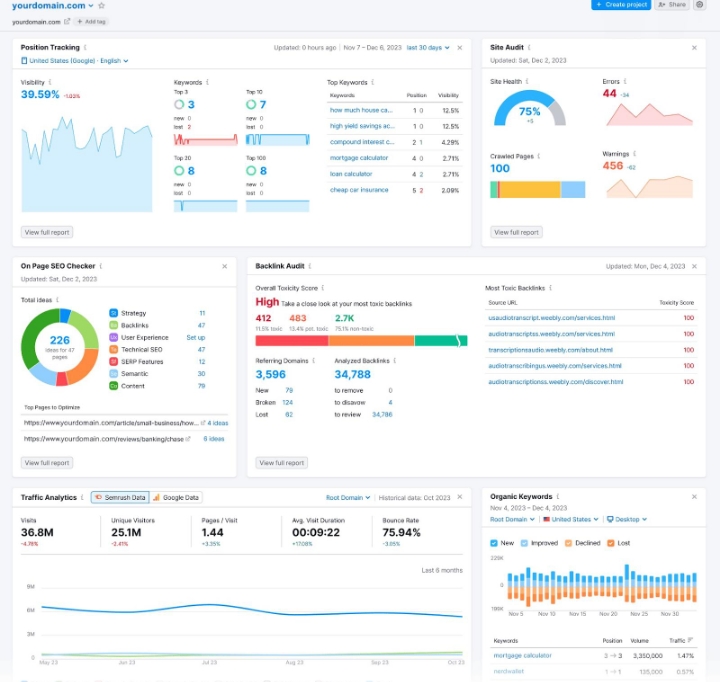
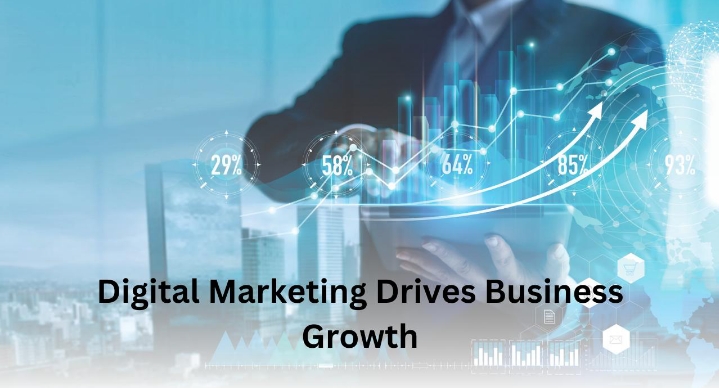
Digital marketing continues to transform how businesses attract customers, generate leads, and increase revenue. In today’s competitive marketplace, organizations that build structured digital marketing plans consistently outperform those relying on random marketing activities.

The rise of artificial intelligence, search engine algorithm updates, advanced analytics, social commerce, and marketing automation has made digital marketing more powerful than ever before. At the same time, increased competition means businesses need a clear strategy to stand out.

Why This Matters

Screenshot 2026 06 20 19 30 57 68 96b26121e545231a3c569311a54cda96

Whether you operate a startup, local business, online store, agency, or global enterprise, your customers are spending more time online than ever before. They discover brands through search engines, social media platforms, videos, reviews, and online communities.

Without a clear digital marketing plan, businesses often face:

  • Poor marketing ROI
  • Inconsistent branding
  • Low website traffic
  • Weak lead generation
  • Declining customer engagement

Key Highlights

This guide explains:

  • How to create a successful digital marketing strategy
  • The role of SEO, content, social media, and paid advertising
  • Important technologies shaping modern marketing
  • Practical implementation advice
  • Success stories and lessons learned
  • Future digital marketing opportunities

What Readers Need to Know

A digital marketing plan is not simply a marketing document. It is a growth framework that aligns business goals, customer needs, technology, content, and performance measurement into one unified strategy.


Company Overview

Understanding the Digital Marketing Industry

The digital marketing industry has evolved into a multi-billion-dollar global ecosystem supporting businesses of every size.

Background

Digital marketing emerged during the early internet era and has expanded significantly with the growth of search engines, social media platforms, mobile devices, and artificial intelligence.

Today, digital marketing includes:

  • Search Engine Optimization (SEO)
  • Content Marketing
  • Email Marketing
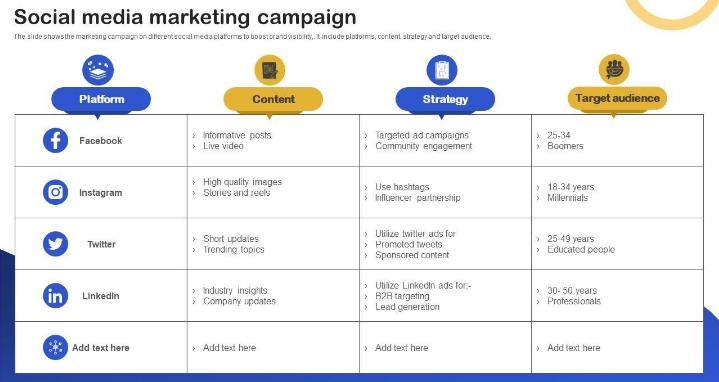
  • Social Media Marketing
  • Influencer Marketing
  • Video Marketing
  • Paid Advertising
  • Marketing Automation
  • Conversion Optimization

Industry Position

Digital marketing now represents one of the most important investments businesses make to acquire customers and maintain competitiveness.

Relevant Products and Services

Common digital marketing solutions include:

  • Customer Relationship Management (CRM) systems
  • Analytics platforms
  • Advertising networks
  • SEO software
  • Content management systems
  • Marketing automation tools

Market Presence

Digital marketing serves virtually every industry including:

  • Technology
  • Healthcare
  • Finance
  • Education
  • Retail
  • Manufacturing
  • Hospitality
  • Real Estate

What Happened?

Why Businesses Are Investing More in Digital Marketing

The marketing landscape has changed dramatically.

Consumers now research products online before making purchasing decisions. Businesses that fail to establish strong digital visibility risk losing customers to competitors.

Key Developments Driving Change

Recent developments include:

  • Increased AI adoption
  • Growth of video marketing
  • Voice search optimization
  • Mobile-first experiences
  • Advanced personalization
  • Privacy-focused advertising

Timeline of Digital Marketing Evolution

1995–2005: Early Web Era

Focus areas:

  • Company websites
  • Banner advertising
  • Email newsletters

2005–2015: Search Marketing Expansion

Growth areas:

  • Google Search
  • SEO
  • PPC advertising

2015–2022: Social Media Dominance

Screenshot 2026 06 20 19 31 48 68 96b26121e545231a3c569311a54cda96

Major trends:

  • Facebook advertising
  • Instagram growth
  • LinkedIn marketing
  • Influencer partnerships

2022–2026: AI and Automation

Current focus:

  • Artificial Intelligence
  • Predictive analytics
  • Marketing automation
  • Hyper-personalization

Official Company Source

Businesses seeking reliable digital marketing guidance should use trusted industry resources.

Official Resources

Executive Perspective

Industry leaders consistently emphasize:
  • Customer-centric marketing
  • Data-driven decision making
  • Continuous experimentation
  • Long-term brand building

Key Features and Developments

Screenshot 2026 06 20 19 32 09 78 96b26121e545231a3c569311a54cda96

Strategic Planning

A successful digital marketing plan starts with clear goals.

Examples include:

  • Increase website traffic by 50%
  • Generate 500 leads monthly
  • Improve conversion rates
  • Increase online sales

Customer Research

Understanding customers helps businesses create effective campaigns.

Research areas include:

  • Demographics
  • Interests
  • Pain points
  • Buying behavior
  • Online habits

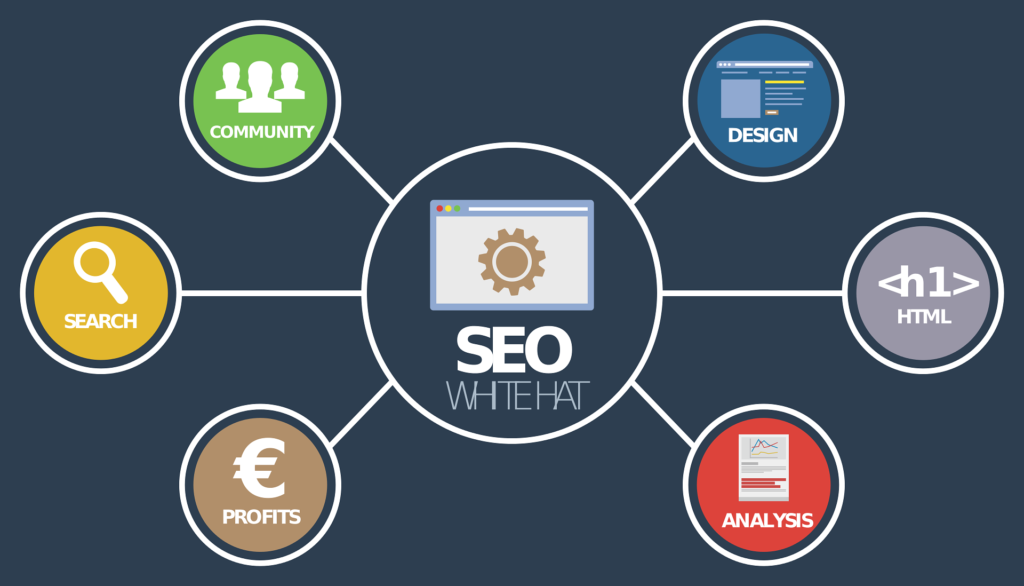
Search Engine Optimization

SEO remains one of the most effective long-term marketing channels.

Technical SEO

Includes:

  • Website speed
  • Mobile responsiveness
  • Security
  • Site architecture

On-Page SEO

Includes:

  • Keywords
  • Content optimization
  • Internal linking
  • Metadata

Off-Page SEO

Includes:

  • Backlinks
  • Brand mentions
  • Digital PR

Content Marketing

Content builds trust and authority.

Popular formats include:

  • Blog articles
  • Videos
  • Podcasts
  • Webinars
  • Case studies
  • Infographics

Marketing Automation

Screenshot 2026 06 20 19 32 24 85 96b26121e545231a3c569311a54cda96

Modern automation tools help businesses:

  • Nurture leads
  • Schedule campaigns
  • Personalize communication
  • Improve efficiency

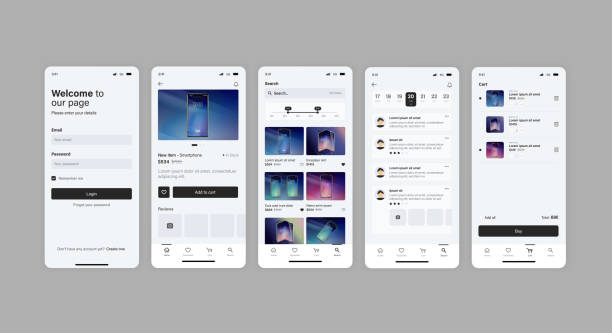
Mobile App Analysis

User Interface (UI)

Marketing platforms increasingly prioritize intuitive user interfaces.

Strong UI design includes:

  • Clean layouts
  • Simple navigation
  • Fast loading times
  • Accessibility features

User Experience (UX)

Effective UX helps users:

  • Complete tasks quickly
  • Access information easily
  • Stay engaged longer

Performance Improvements

Modern marketing applications offer:

  • Faster analytics reporting
  • AI-powered recommendations
  • Automated workflows

App Availability

Most major marketing platforms offer:

  • Android applications
  • iOS applications
  • Web-based dashboards

Security and Privacy

Important security features include:

  • Two-factor authentication
  • Data encryption
  • User permissions
  • Compliance monitoring

Digital Marketing Impact

Screenshot 2026 06 20 19 33 24 39 96b26121e545231a3c569311a54cda96

SEO Implications

SEO provides:

  • Long-term traffic growth
  • Higher visibility
  • Better lead quality
  • Lower acquisition costs

Content Marketing Opportunities

Businesses can:

  • Educate customers
  • Build authority
  • Improve conversions
  • Increase engagement

Advertising Implications

Paid advertising enables:

  • Rapid visibility
  • Audience targeting
  • Campaign scaling
  • Performance tracking

Social Media Impact

Social media supports:

  • Brand awareness
  • Community building
  • Customer interaction
  • Product promotion

Analytics and Tracking

Modern analytics allow businesses to track:

  • Website traffic
  • Conversion rates
  • User behavior
  • Revenue attribution

Industry Impact

Impact on Customers

Customers benefit from:

  • Better experiences
  • Personalized content
  • Faster support
  • Improved product discovery

Impact on Businesses

Organizations gain:

  • Greater efficiency
  • Better insights
  • Increased revenue opportunities

Impact on Competitors

Digital transformation increases competitive pressure.

Businesses must continuously innovate to maintain market position.

Market Implications

Companies with strong digital capabilities often outperform traditional competitors.

Industry Trends

Growing trends include:

  • Artificial intelligence
  • Voice search
  • Video-first marketing
  • Conversational commerce
  • Data privacy compliance

Expert Analysis

Marketing experts generally agree on several trends.

What Experts Are Saying

Successful marketing increasingly depends on:

  • High-quality content
  • Trust building
  • Personalization
  • Customer experience

Industry Reactions

Many organizations are shifting budgets from traditional advertising toward digital channels.

Opportunities

Key opportunities include:

  • AI-powered automation
  • Global audience reach
  • Improved customer insights

Risks

Potential risks include:

  • Rising advertising costs
  • Platform dependency
  • Privacy regulation changes

Market Forecasts

Industry analysts expect continued growth in:

  • Digital advertising
  • AI marketing tools
  • Marketing automation
  • E-commerce marketing

Global Availability

Digital marketing tools are available worldwide.

Countries and Regions

Businesses across:

  • North America
  • Europe
  • Asia
  • Africa
  • South America
  • Oceania

can access digital marketing technologies.

Access Requirements

Typically require:

  • Internet connection
  • Website or online presence
  • Marketing software account

Regional Restrictions

Some countries maintain privacy or advertising regulations that affect marketing activities.


Pricing and Cost Analysis

Typical Pricing Categories

Free Plans

Suitable for:

  • Beginners
  • Small businesses
  • Personal projects

Professional Plans

Common range:

  • $20–$500 monthly

Enterprise Solutions

Can exceed:

  • $1,000+ monthly

Free vs Paid Features

Free

  • Basic analytics
  • Limited automation
  • Basic reporting

Paid

  • Advanced reporting
  • Automation
  • AI tools
  • Team collaboration

Competitor Comparison

Businesses should compare:

  • Features
  • Scalability
  • Ease of use
  • Support quality

Value for Money

The best solution depends on:

  • Business size
  • Marketing goals
  • Budget
  • Technical expertise

Challenges and Limitations

Technical Concerns

Challenges include:

  • Integration issues
  • Website performance
  • Tracking accuracy

Security Issues

Risks involve:

  • Data breaches
  • Account compromise
  • Privacy violations

Adoption Barriers

Organizations may struggle with:

  • Limited expertise
  • Budget constraints
  • Resource shortages

Regulatory Challenges

Businesses must comply with:

  • Privacy laws
  • Advertising regulations
  • Consumer protection rules

Known Drawbacks

Digital marketing requires:

  • Continuous optimization
  • Consistent content creation
  • Ongoing learning

Future Outlook

Success Story 1

A small online retailer invested in SEO and content marketing.

Results after 12 months:

  • 220% traffic growth
  • 180% increase in sales
  • Significant reduction in advertising costs

Success Story 2

A consulting company implemented marketing automation.

Results:

  • Improved lead quality
  • Faster sales cycle
  • Increased customer retention

Upcoming Developments

Future innovations include:

  • Advanced AI assistants
  • Predictive marketing systems
  • Enhanced personalization

Product Roadmap Trends

The future of digital marketing will emphasize:

  • Automation
  • Data intelligence
  • Omnichannel experiences

Long-Term Growth Potential

Businesses embracing digital transformation are likely to achieve stronger long-term growth.

Original Analysis and Advice

AllBigpress

What Readers Should Know

The biggest mistake businesses make is focusing on tactics instead of strategy.

SEO, social media, email, and advertising only work effectively when aligned with clear objectives.

Practical Implications

Businesses should:

  1. Define measurable goals.
  2. Understand their audience.
  3. Invest in quality content.
  4. Track performance consistently.
  5. Optimize continuously.

Business Opportunities

Strong opportunities exist in:

  • Local SEO
  • Video marketing
  • AI-powered content
  • E-commerce growth
  • Personal branding

Long-Term Significance

Digital marketing is becoming increasingly integrated with overall business strategy. Organizations that master digital marketing gain a sustainable competitive advantage.


Related Resources

Official resources for further learning:


Summary of Key Points

A successful digital marketing plan requires:

  • Clear goals
  • Audience understanding
  • Strong SEO
  • Valuable content
  • Effective social media
  • Strategic advertising
  • Performance analytics

Businesses that implement these principles consistently achieve better long-term results.

Final Thoughts

Digital marketing is no longer optional. It is a fundamental business growth driver that influences visibility, customer acquisition, engagement, and revenue.

What to Watch Next

Emerging trends include:

  • Artificial intelligence
  • Voice search
  • Predictive analytics
  • Personalized experiences

Recommendations

For businesses:

  • Build a documented strategy.
  • Invest in SEO.
  • Create valuable content.
  • Measure everything.

For marketers:

  • Continue learning.
  • Test new technologies.
  • Focus on customer needs.

Frequently Asked Questions (FAQ)

What is the new technology or update?

Artificial intelligence and marketing automation represent the most significant developments in modern digital marketing.

When will it be available?

Most AI-powered marketing tools are already available and continue receiving updates.

Who Can Use It?

Businesses of all sizes, entrepreneurs, agencies, and freelancers.

How Much Does It Cost?

Costs range from free plans to enterprise solutions costing thousands of dollars monthly.

What Are the Main Benefits?

  • Better targeting
  • Increased efficiency
  • Improved ROI
  • Enhanced customer experiences

What Are the Risks or Limitations?

  • Privacy concerns
  • Rising competition
  • Learning curve
  • Platform dependence

Is the Mobile App Available on Android and iOS?

Most major digital marketing platforms provide both Android and iOS applications.

How Does It Compare to Competitors?

The best platform depends on business goals, budget, and required features.


A successful digital marketing plan helps businesses attract customers, increase brand awareness, and achieve measurable growth. In 2026, businesses must combine technology, data, creativity, and customer-focused strategies to compete in an increasingly digital marketplace.

This guide explains the essential steps to create an effective digital marketing plan.


1. Define Your Business Goals

The first step is identifying clear marketing objectives. Goals should be specific, measurable, achievable, relevant, and time-based (SMART).

Examples:

  • Increase website traffic
  • Generate more leads
  • Improve online sales
  • Build stronger customer relationships

Official source: Google Analytics Help


2. Understand Your Target Audience

Successful marketing starts with understanding your customers. Research their needs, interests, online behaviour, and purchasing decisions.

Businesses should create customer profiles and use data to deliver more relevant experiences.

Official source: Meta Business Tools


3. Build a Strong SEO Strategy

Search engine optimization helps businesses improve visibility on search engines. A strong SEO plan includes:

  • Creating valuable content
  • Optimizing website speed
  • Using relevant keywords
  • Improving user experience
  • Building trustworthy links

Official source: Google Search Central


4. Create High-Quality Content Marketing

Content marketing helps businesses educate audiences and build trust. Effective content includes:

  • Blog articles
  • Videos
  • Guides
  • Case studies
  • Social media posts

Content should solve customer problems and provide real value.

Official source: Content Marketing Institute


5. Use Social Media Marketing

Social media allows businesses to connect directly with customers, promote products, and build communities.

A successful social media strategy should focus on:

  • Consistent posting
  • Audience engagement
  • Video content
  • Brand storytelling

Official source: LinkedIn Marketing Solutions


6. Invest in Email Marketing

Email marketing remains an effective way to nurture leads and maintain customer relationships.

Businesses should focus on:

  • Personalized messages
  • Automated campaigns
  • Valuable newsletters
  • Customer retention

Official source: Mailchimp Resources


7. Use Data Analytics and Measure Results

Tracking performance helps businesses understand what works and what needs improvement.

Important metrics include:

  • Website visitors
  • Conversion rates
  • Customer acquisition cost
  • Return on investment (ROI)

Official source: Google Marketing Platform


8. Adapt to AI and Emerging Technologies

Artificial intelligence is becoming a major part of digital marketing. Businesses can use AI for:

  • Customer insights
  • Content assistance
  • Automation
  • Personalization

Companies should use AI responsibly while maintaining human creativity.

Official source: Google AI for Business


Conclusion

A successful digital marketing plan requires clear goals, audience understanding, quality content, SEO, social media, analytics, and continuous improvement.

Businesses that adapt to new technologies and focus on customer needs will have stronger opportunities for growth in 2026 and beyond.


Disclaimer

The information provided in this guide is for general educational and informational purposes only. Digital marketing trends, platforms, algorithms, and business strategies can change over time.

While reasonable efforts are made to provide accurate information, we do not guarantee that all information is complete, current, or suitable for every business situation.

References to third-party websites, companies, tools, or services are provided for informational purposes only and do not represent endorsement, sponsorship, or partnership unless stated otherwise.

Businesses should conduct their own research and seek professional advice before making important marketing, financial, or business decisions.

We are not responsible for any losses, damages, or results that may occur from using the information contained in this guide.

Leave a Reply

Your email address will not be published. Required fields are marked *