 111
111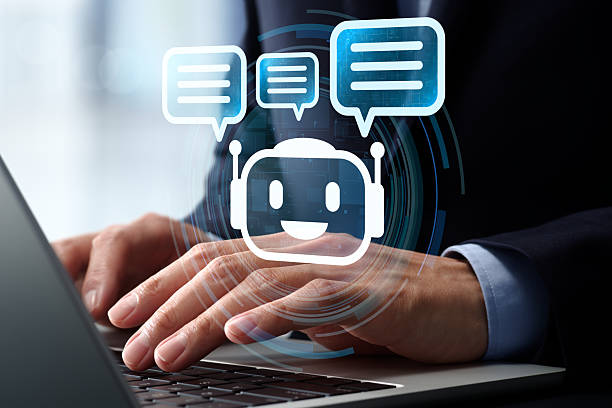 2
2 3
3 4
4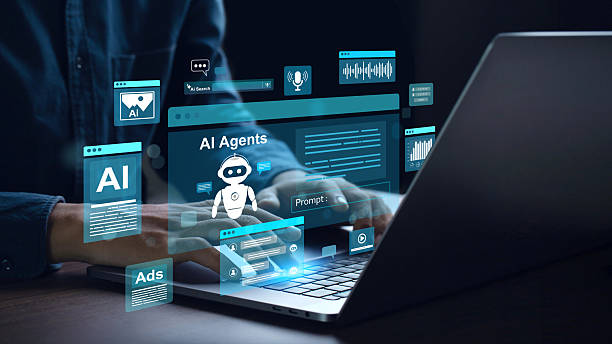 5
5 6
6 7
7 8
8 9
9 10
10 11
11 12
12 13
13 14
14 15
15 16
16 17
17 18
18 19
19 20
20 21
21 22
22 23
23 24
24 25
25 26
26 27
27 28
28 29
29 30
30 31
31 32
32 33
33 34
34 35
35 36
36 37
37 38
38 39
39 40
40 41
41 42
42 43
43 44
44 45
45 46
46 47
47 48
48 49
49 50
50 51
51 52
52 53
53 54
54 55
55 56
56 57
57 58
58 59
59 60
60 61
61Editor’s Note
Artificial intelligence has rapidly evolved from a simple code-completion tool into a collaborative programming partner. While AI coding assistants can significantly improve productivity, they do not replace the need for human creativity, software architecture expertise, critical thinking, security reviews, or domain knowledge. The most successful software teams use AI as an assistant—not as a replacement for skilled developers.
Software development has entered one of the most significant technological shifts since the emergence of cloud computing and open-source software. Artificial intelligence is no longer limited to research laboratories or experimental products. Today, AI-powered coding assistants are integrated into professional development environments, helping developers write code, explain complex algorithms, generate documentation, detect bugs, suggest improvements, and automate repetitive programming tasks.
Modern AI coding assistants support dozens of programming languages and frameworks, allowing developers to spend less time on routine coding and more time solving business problems, designing scalable architectures, and creating better user experiences.
Rather than replacing software engineers, these intelligent tools are reshaping how programming work is completed. Developers who understand how to collaborate effectively with AI are increasingly becoming more productive, delivering higher-quality software in less time while maintaining strong engineering standards.
What You’ll Learn
- What AI coding assistants are and how they work.
- Why businesses are rapidly adopting AI-assisted software development.
- The advantages and limitations of AI-generated code.
- How developers can improve productivity without sacrificing code quality.
- Best practices for integrating AI into modern development workflows.
AI coding assistants are software tools powered by large language models (LLMs) and machine learning systems that help developers throughout the software development lifecycle. Instead of simply offering autocomplete suggestions, modern AI assistants understand natural language instructions, analyze project context, generate source code, explain programming concepts, and assist with debugging.
Developers can ask questions such as:
The AI analyzes the request together with available code context and produces suggestions that developers can review, edit, and integrate into their projects.
This collaborative workflow helps reduce repetitive work while allowing engineers to focus on architecture, product requirements, and user value.
Modern AI coding assistants can help with:
These capabilities continue to improve as AI models become more capable and better integrated into development tools.
Software engineering has always involved repetitive work alongside creative problem-solving. Writing boilerplate code, creating unit tests, formatting documentation, and searching for syntax consume valuable development time.
AI reduces much of this repetitive effort.
Instead of spending hours writing repetitive functions, developers can describe the desired outcome in plain language and receive an initial implementation within seconds.
This shift enables engineering teams to:
Organizations adopting AI-assisted development often report faster prototyping and more efficient collaboration when developers carefully review AI-generated output.
Important
AI-generated code should always be reviewed, tested, and validated before deployment. Human oversight remains essential for security, maintainability, compliance, and long-term software quality.
Although the user experience appears simple, AI coding assistants rely on sophisticated machine learning models trained on large collections of publicly available code, technical documentation, and natural language.
When a developer writes a prompt, the assistant typically performs several steps:
Many enterprise-grade assistants also incorporate repository context, coding standards, and documentation to produce more relevant suggestions.
Developers spend less time writing repetitive code and more time solving meaningful engineering problems.
Junior developers can use AI explanations to better understand unfamiliar programming languages, frameworks, and libraries while continuing to verify concepts through official documentation and mentorship.
AI can draft API documentation, inline comments, README files, and technical summaries, helping teams maintain clearer project documentation.
AI can identify potential issues such as duplicated logic, inconsistent naming, or opportunities for simplification, supporting—not replacing—the human review process.
AI coding assistants are increasingly used in:
These tools assist professionals across startups, enterprises, educational institutions, and open-source communities.
Professional Development Checklist
✔ Review every AI-generated code suggestion.
✔ Run automated tests before deployment.
✔ Validate security-sensitive code manually.
✔ Follow your team’s coding standards.
✔ Keep dependencies up to date.
✔ Document significant AI-assisted changes.
✔ Use official documentation to confirm APIs and language features.
For further reading, consult the official documentation of major AI and developer platforms:
AI coding assistants are transforming software development by reducing repetitive work, accelerating coding tasks, and supporting developers throughout the software lifecycle. Their greatest value comes when paired with human expertise, thoughtful code review, and strong engineering practices.
Part 2 will explore leading AI coding platforms, benchmark studies, enterprise adoption, comparisons with junior developers, practical implementation strategies, and future career implications.
The AI coding assistant market has expanded rapidly, with several platforms offering specialized capabilities for software developers, engineering teams, and enterprise organizations. While their approaches differ, each platform aims to improve productivity by assisting with code generation, debugging, documentation, and software maintenance.
GitHub Copilot is widely used by professional developers and integrates directly into popular code editors. It assists with:
Organizations often adopt Copilot to reduce repetitive coding tasks while maintaining developer oversight through reviews and testing.
Modern versions of ChatGPT support software development through conversational programming assistance. Developers commonly use it for:
Unlike traditional autocomplete tools, ChatGPT enables interactive problem-solving through natural language conversations.
Google Gemini provides AI-assisted programming support integrated across Google’s developer ecosystem. It helps developers generate code, explain APIs, and improve software workflows while leveraging Google’s AI infrastructure.
Claude is frequently chosen for projects involving long technical documents, architecture planning, and detailed code reviews. Its large context window allows developers to analyze extensive codebases and documentation within a single conversation.
Amazon Q Developer is designed for cloud-native software engineering and AWS environments. It assists developers with:
Choosing the Right AI Coding Assistant
There is no universal “best” AI coding assistant. The ideal choice depends on your team’s programming languages, development environment, cloud platform, security requirements, and workflow. Many organizations evaluate multiple tools before selecting one for production use.
AI coding assistants can complete many routine programming tasks with impressive speed, but they operate differently from human developers.
AI systems excel at:
Junior developers contribute strengths that AI cannot fully replace, including:
Successful engineering teams combine these complementary strengths rather than treating AI and developers as competitors.
Human Expertise Still Matters
AI can generate code, but developers remain responsible for software quality, security, maintainability, ethical considerations, compliance, and delivering solutions that meet real user needs.
Large organizations increasingly incorporate AI coding assistants into their engineering workflows to improve productivity while maintaining governance.
Common enterprise use cases include:
To support responsible adoption, many organizations establish policies covering:
AI contributes to software quality by helping developers identify common issues early in the development process.
Examples include:
However, AI suggestions should complement established engineering practices such as peer review, automated testing, and continuous integration.
Best Practice
Treat AI-generated output as a starting point—not the final product. Validate functionality, review security implications, and ensure the code aligns with your organization’s standards before deployment.
Organizations adopting AI-assisted development should promote responsible usage by encouraging developers to:
Responsible AI adoption strengthens trust, improves software quality, and reduces operational risks.
Continue exploring AI and software engineering with these related topics:

As AI coding assistants become an integral part of software engineering, organizations must balance productivity gains with security, privacy, compliance, and workforce development. This section explores how responsible AI adoption helps engineering teams build secure, reliable, and innovative software.
AI-generated code can accelerate development, but every suggestion should be reviewed before it becomes part of a production application. Poorly reviewed code may introduce security vulnerabilities, performance issues, or maintainability challenges.
Developers should verify:
Security testing remains a critical part of the software development lifecycle, regardless of whether code is written by humans or generated with AI assistance.
Callout Box – Security First
AI can suggest secure coding patterns, but it cannot fully understand your organization’s infrastructure, compliance obligations, threat model, or business context. Always conduct manual code reviews, automated security scans, and penetration testing before releasing software.
Organizations should establish clear guidelines for using AI coding assistants with proprietary software and sensitive information.
Recommended practices include:
These practices help protect intellectual property while enabling responsible AI adoption.
AI changes how developers work, but it does not eliminate the need for skilled software engineers. Instead, it shifts the focus toward higher-value engineering capabilities.
Future-ready developers should strengthen skills in:
Designing scalable, maintainable, and resilient systems remains a human responsibility.
Understanding business challenges and translating them into technical solutions is a core engineering skill that AI cannot replace.
Developers must evaluate AI-generated code for correctness, readability, security, and maintainability.
Successful software projects depend on collaboration between developers, designers, product managers, security professionals, and stakeholders.
Programming languages, frameworks, AI models, and developer tools continue to evolve rapidly. Lifelong learning is essential for career growth.
Callout Box – Career Advice
Developers who learn to collaborate effectively with AI tools are likely to gain productivity advantages. Strong engineering judgment, system design expertise, and communication skills will remain highly valuable in the years ahead.
Several trends are shaping the future of programming:
AI tools increasingly assist with planning, testing, documentation, deployment, and monitoring—not just code generation.
Developers can describe desired functionality in plain language, allowing AI to generate initial implementations that can be refined through review and testing.
Modern development platforms are incorporating AI to identify potential bugs, style inconsistencies, and opportunities for improvement before human review.
AI is helping automate infrastructure configuration, deployment pipelines, incident response, and operational monitoring.
Future AI assistants are expected to better understand project architecture, coding standards, documentation, and organizational best practices.
Organizations adopting AI coding assistants should:
Responsible implementation helps maximize productivity while minimizing operational risks.
Best Practice Checklist
✔ Validate AI-generated code.
✔ Follow secure coding standards.
✔ Maintain comprehensive documentation.
✔ Use automated testing and continuous integration.
✔ Keep human developers responsible for final engineering decisions.
✔ Regularly update development tools and dependencies.
No. AI coding assistants automate many repetitive programming tasks, but software developers remain responsible for architecture, business requirements, security, collaboration, testing, and long-term maintenance.
Some generated code may provide a useful starting point, but all AI-generated output should be reviewed, tested, and validated before deployment.
Developers at all experience levels can benefit. Beginners may use AI for learning and explanations, while experienced engineers often use it to accelerate repetitive tasks and improve productivity.
AI can support secure coding, but security depends on human review, organizational processes, and proper testing—not on AI alone.

Successfully adopting AI coding assistants requires more than simply providing developers with AI tools. Organizations should establish a structured implementation strategy that balances innovation, productivity, security, and governance.
Develop clear internal guidelines covering:
Well-defined policies help engineering teams use AI responsibly while protecting organizational assets.
Training should focus on:
Developers who understand AI’s capabilities and limitations are better equipped to use these tools effectively.
Organizations can evaluate AI adoption using metrics such as:
These indicators help teams assess whether AI is delivering measurable business value.
Implementation Tip
Begin with a pilot project involving a small engineering team. Gather feedback, refine governance policies, and expand AI adoption gradually based on measurable improvements in productivity and software quality.
Even experienced developers can misuse AI coding assistants if proper practices are not followed.
Avoid these common mistakes:
Maintaining human oversight helps ensure software remains secure, reliable, and maintainable.
AI-assisted software development will continue to evolve through advances in large language models, agentic AI systems, and developer tooling.
Future innovations may include:
Despite these advances, successful software projects will continue to depend on experienced developers who understand business goals, user needs, and engineering best practices.
Looking Ahead
The future of software engineering is collaborative. AI enhances developer productivity, while human expertise ensures software is secure, ethical, maintainable, and aligned with organizational objectives.
Most leading AI coding assistants support a broad range of languages, including Python, JavaScript, TypeScript, Java, C#, C++, Go, Rust, PHP, Ruby, Kotlin, Swift, SQL, and many others.
Yes. AI can assist with explaining legacy code, suggesting refactoring opportunities, generating documentation, and identifying outdated patterns. Human review remains essential before implementing changes.
Not inherently. When used responsibly with code reviews, automated testing, and secure development practices, AI can improve productivity while maintaining high software quality.
Yes. Clear, specific prompts often produce more useful AI-generated outputs. Developers benefit from learning how to describe requirements, constraints, and desired outcomes effectively.
AI is expected to reshape workflows rather than eliminate the need for software engineers. Skills such as system design, architecture, security, communication, and problem-solving will continue to be highly valued.
AI coding assistants represent one of the most significant advances in modern software development. They help developers automate repetitive work, improve productivity, accelerate learning, and streamline collaboration across engineering teams.
However, AI is most effective when paired with experienced professionals who apply critical thinking, software engineering principles, and responsible development practices. Human expertise remains essential for designing robust architectures, validating AI-generated code, safeguarding security, and ensuring software meets real-world business and user requirements.
Organizations that combine AI capabilities with strong engineering culture, governance, and continuous learning will be well positioned to build innovative, secure, and maintainable software in the years ahead.
Final Takeaway
AI coding assistants should be viewed as intelligent collaborators—not replacements for developers. Teams that embrace responsible AI adoption while investing in human expertise are likely to achieve the greatest long-term success.
About the Author
This article was prepared to provide software professionals, technology leaders, students, and business decision-makers with an evidence-based overview of AI coding assistants and their role in modern software engineering. It emphasizes practical guidance, responsible AI adoption, and established software development best practices.
For the latest product information and documentation, consult these official resources: