 111
111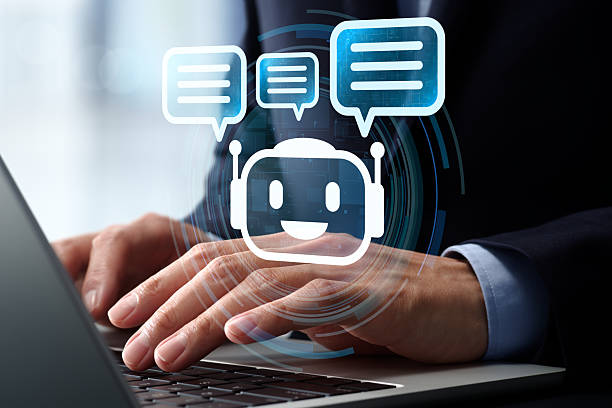 2
2 3
3 4
4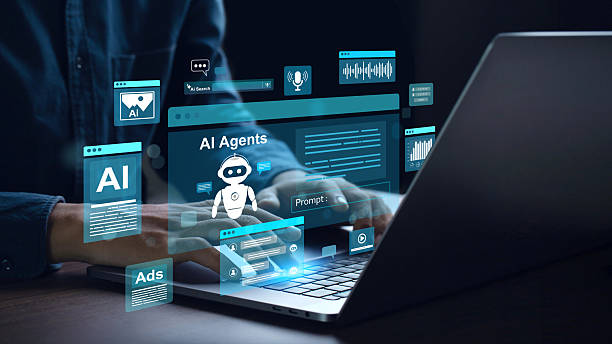 5
5 6
6 7
7 8
8 9
9 10
10 11
11 12
12 13
13 14
14 15
15 16
16 17
17 18
18 19
19 20
20 21
21 22
22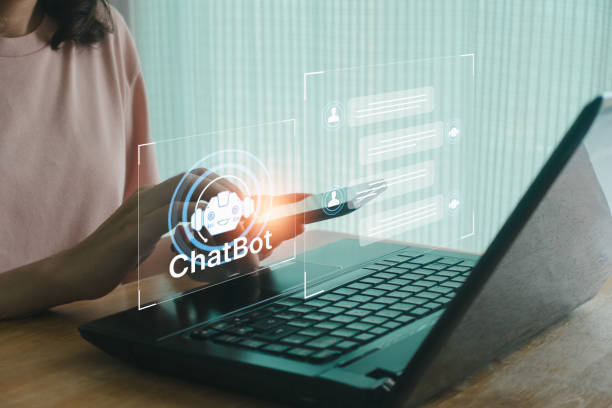 23
23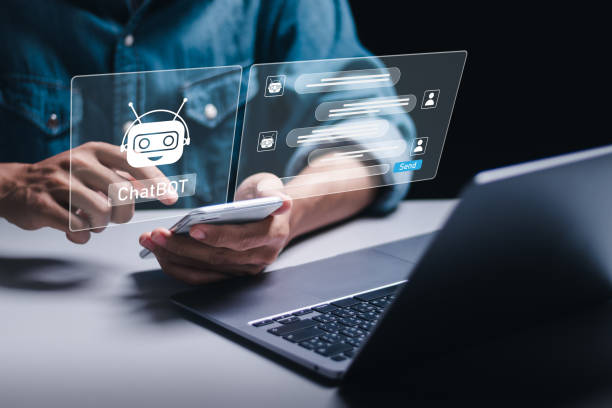 24
24 25
25 26
26 27
27 28
28 29
29 30
30 31
31 32
32 33
33 34
34 35
35 36
36 37
37 38
38 39
39 40
40 41
41 42
42 43
43 44
44 45
45 46
46 47
47 48
48 49
49 50
50 51
51 52
52 53
53 54
54 55
55 56
56 57
57 58
58 59
59 60
60 61
61Artificial intelligence (AI) has become one of the most influential technologies shaping higher education. Universities worldwide are increasingly adopting AI tutoring systems to improve teaching quality, enhance student engagement, and provide personalized learning experiences that were once impossible to deliver at scale.
Unlike traditional educational software, modern AI tutors can answer questions, explain difficult concepts, generate personalized practice exercises, summarize lectures, and provide instant feedback. These capabilities allow students to learn at their own pace while giving educators additional tools to support diverse classrooms.
The rapid growth of generative AI has accelerated this transformation. Universities are no longer experimenting with AI only in computer science departments; institutions across medicine, engineering, business, law, education, and the humanities are integrating AI-powered learning assistants into everyday teaching and learning.
This article explores why universities are adopting AI tutoring systems, the technologies driving this change, and the opportunities and challenges that institutions face as AI becomes an essential part of higher education.
AI tutoring systems are intelligent software platforms that simulate many functions of a human tutor. They use machine learning, natural language processing, and generative AI to help students understand academic subjects through personalized guidance.
These systems can:
Rather than replacing professors, AI tutoring systems serve as learning companions that extend educational support beyond classroom hours.
Several factors are driving widespread AI adoption across higher education.
Universities continue to enroll larger numbers of students while faculty resources remain limited. AI tutors help institutions provide individualized academic support to thousands of learners simultaneously.
Every student learns differently. AI systems analyze learning patterns and adapt explanations according to individual strengths, weaknesses, and learning speed.
Students frequently study during evenings, weekends, and holidays. AI tutoring systems provide instant assistance at any time, reducing dependence on office hours.
Immediate feedback helps students identify mistakes early, reinforcing understanding before misconceptions become permanent.
Higher education institutions are investing heavily in digital infrastructure, making AI a natural extension of online learning ecosystems.
Modern AI tutoring systems combine several advanced technologies.
Natural Language Processing enables AI tutors to understand student questions written in everyday language and generate human-like responses.
Machine learning algorithms improve over time by analyzing interactions and learning patterns, making tutoring increasingly personalized.
Generative AI creates explanations, summaries, practice questions, lesson plans, and interactive educational content within seconds.
Learning analytics monitor student progress, helping educators identify learners who may require additional support.
Students are experiencing significant advantages from AI-powered education.
Instead of following one standardized learning path, AI adapts instruction based on each student’s knowledge level.
Assignments, quizzes, and practice exercises receive immediate evaluation, allowing students to learn from mistakes quickly.
Students who hesitate to ask questions in class often feel more comfortable interacting with AI tutors privately.
AI tutoring supports remote education, hybrid learning, and self-paced study, making education more accessible.
AI systems generate customized revision plans, flashcards, mock examinations, and practice questions tailored to individual needs.
Universities also benefit from AI implementation.
Faculty members can devote more time to mentoring, research, and curriculum development while AI handles repetitive academic support tasks.
Although AI offers remarkable opportunities, responsible implementation remains essential.
Key challenges include:
Universities must balance innovation with academic integrity and responsible governance.

Universities are moving beyond pilot projects and integrating AI tutoring into everyday teaching and learning. Rather than replacing lecturers, AI serves as an intelligent academic assistant that helps students learn more effectively while enabling educators to focus on mentoring, discussion, and research.
Many institutions now use AI to support introductory courses, large lecture classes, online degree programs, language learning, STEM education, and academic writing. AI tutors answer routine questions, recommend study resources, explain difficult concepts, and provide instant feedback throughout the learning process.
This approach allows universities to offer high-quality academic support regardless of class size or student location.
Students receive step-by-step explanations for mathematics, programming, physics, chemistry, and engineering problems. AI tutors encourage problem-solving rather than simply providing answers.
AI helps students analyze business cases, interpret financial reports, understand economic theories, and prepare professional presentations.
Medical students use AI tutoring systems to review anatomy, clinical reasoning, pharmacology, and diagnostic scenarios through interactive learning exercises.
AI tutoring supports legal research, case analysis, document drafting, and examination preparation while encouraging critical thinking.
Students receive assistance with essay planning, historical analysis, literature reviews, language learning, and research organization.
AI tutoring systems also improve teaching efficiency.
Faculty members can:
Rather than replacing educators, AI expands their capacity to support larger and more diverse student populations.
Research and institutional experience suggest that AI tutoring contributes to several positive outcomes when used responsibly.
Students often experience:
Students who study remotely or balance education with employment particularly benefit from around-the-clock academic assistance.
Successful AI adoption depends on strong institutional governance.
Universities should establish policies that address:
Responsible implementation builds trust among students, educators, and academic leaders.
Despite rapid progress, AI tutoring systems still face limitations.
Current challenges include:
Universities are addressing these issues through clear policies, educator training, and ongoing evaluation.
Over the coming years, AI tutoring systems are expected to become even more personalized and adaptive.
Future developments may include:
As AI technology evolves, universities will continue balancing innovation with academic excellence, ensuring that human educators remain central to the educational experience.

Universities are using a growing range of artificial intelligence platforms to strengthen teaching, learning, and student support. While each platform offers different capabilities, most aim to improve productivity, personalize education, and increase access to academic resources.
Common categories include:
Universities typically evaluate these technologies based on privacy protections, accessibility, educational value, security, and compatibility with existing digital learning systems.
Successful implementation requires more than purchasing software. Universities should develop a long-term strategy that aligns AI use with educational goals.
Recommended practices include:
Institutions should publish guidelines explaining acceptable AI use for assignments, examinations, research, and academic collaboration.
Professional development programs help educators understand AI capabilities, limitations, ethical considerations, and effective classroom integration.
Students should learn how to use AI responsibly, evaluate AI-generated information, cite sources appropriately, and recognize inaccurate or biased outputs.
Universities should ensure that AI platforms comply with applicable privacy regulations and institutional data governance policies.
Regular assessment helps determine whether AI improves learning outcomes, engagement, retention, and overall academic success.
Higher education continues to evolve alongside advances in artificial intelligence.
Key trends include:
These developments indicate that AI will remain an important component of future educational ecosystems.
Students can maximize the value of AI tutoring by following responsible learning practices.
AI should complement—not replace—the learning process.
Faculty members play a central role in ensuring responsible AI integration.
Effective approaches include:
No. AI tutoring systems are designed to support educators by automating routine tasks and providing additional academic assistance. Professors remain responsible for teaching, mentoring, assessment, and academic leadership.
When combined with effective teaching and active student participation, AI can enhance engagement, provide timely feedback, and support personalized learning.
No. AI systems may occasionally produce incorrect or incomplete information. Students should verify important facts using reliable academic sources.
Critical thinking, creativity, communication, ethical decision-making, digital literacy, and subject expertise will remain highly valuable alongside technical AI skills.

Adopting AI tutoring systems requires careful planning rather than simply introducing new technology. Universities that achieve the best results align AI initiatives with institutional goals, academic standards, and student needs.
A successful implementation strategy typically includes:
This phased approach helps institutions manage risks while maximizing educational benefits.
Universities should evaluate AI tutoring initiatives using measurable performance indicators rather than relying solely on user adoption.
Common indicators include:
Regular evaluation enables universities to identify strengths, address weaknesses, and improve long-term educational outcomes.
Beyond improving classroom learning, AI tutoring helps students develop skills that employers increasingly value.
Important future-ready skills include:
Graduates who understand how to work effectively with AI will be better prepared for careers across business, healthcare, engineering, education, law, finance, and public service.
University leaders play a crucial role in shaping responsible AI adoption.
Institutional leadership should focus on:
Leadership commitment helps ensure that AI strengthens educational quality while preserving institutional values.
Artificial intelligence has the potential to improve higher education worldwide.
Emerging opportunities include:
As AI technologies mature, universities can use these capabilities to create more inclusive and flexible learning environments.
An AI tutoring system is an intelligent educational platform that uses artificial intelligence to provide personalized instruction, answer questions, generate practice exercises, explain concepts, and deliver immediate feedback to students.
No. AI tutoring systems are designed to complement—not replace—educators. Professors remain responsible for teaching, mentoring, grading, research, curriculum design, and fostering critical thinking.
AI tutoring supports a wide range of disciplines, including:
Its usefulness depends on thoughtful integration with course objectives and teaching practices.
No. AI can occasionally produce inaccurate, outdated, or incomplete information. Students should verify important facts using textbooks, scholarly journals, and instructor guidance.
AI analyzes learning progress, quiz performance, study habits, and interaction patterns to recommend explanations, exercises, and resources tailored to individual learning needs.
Common challenges include:
Students should continue strengthening:
These human skills remain essential in an AI-assisted world.
Future developments are likely to include more adaptive learning systems, multilingual tutoring, immersive virtual learning, predictive academic support, and closer collaboration between educators and AI technologies.
About the Author
This article was written to provide an educational overview of how artificial intelligence is transforming higher education. It is intended for students, educators, academic leaders, technology professionals, and anyone interested in the evolving role of AI in teaching and learning. The content emphasizes responsible AI adoption, evidence-based educational practices, and student-centered innovation.
To improve SEO and user engagement, consider linking this article to related content on your website, such as:
When publishing, cite current official sources such as:
Always verify that links and references are current before publication.
Artificial intelligence is reshaping higher education by making learning more personalized, accessible, and scalable. The institutions that benefit most will be those that combine technological innovation with excellent teaching, ethical governance, and a strong commitment to student success.
AI tutoring systems should be viewed as educational partners that enhance learning rather than replace educators. By investing in responsible implementation, universities can create learning environments that prepare students for a rapidly evolving digital future while preserving the essential human values at the heart of education.
The following official resources provide authoritative information on artificial intelligence, higher education, digital learning, and AI governance.
When publishing this article, use the latest official guidance, policies, and research from the resources above. Verify publication dates and document versions before citing them, as AI policies and educational guidance evolve rapidly.