 111
111 2
2 3
3 4
4 5
5 6
6 7
7 8
8 9
9 10
10 11
11 12
12 13
13 14
14 15
15 16
16 17
17 18
18 19
19 20
20 21
21 22
22 23
23 24
24 25
25 26
26 27
27 28
28 29
29 30
30 31
31 32
32 33
33 34
34 35
35 36
36 37
37 38
38 39
39 40
40 41
41 42
42 43
43 44
44 45
45 46
46 47
47 48
48 49
49 50
50 51
51 52
52 53
53 54
54 55
55 56
56 57
57 58
58 59
59 60
60 61
61Quick Summary
Chatbots automate conversations using rules or artificial intelligence (AI), making them ideal for answering repetitive questions at scale. Live chat connects customers with human agents who provide personalized, empathetic, and context-aware support. Understanding the strengths of each helps businesses deliver faster service while improving customer satisfaction.
Understanding the Fundamentals
Customer communication has changed dramatically over the last decade. Not long ago, businesses relied primarily on phone calls and email to answer customer questions. While these channels remain important, today’s customers expect immediate responses whenever they visit a website, mobile application, or online store. Waiting several hours—or even several minutes—for a reply can lead to frustration and lost sales.
To meet these expectations, organizations have embraced conversational support technologies. Two of the most widely used solutions are chatbots and live chat. At first glance, they appear similar because both allow users to communicate through a chat window. However, the technology behind them, the customer experience they provide, and the business problems they solve are very different.
Choosing the right solution is no longer simply a technology decision. It affects customer satisfaction, operational efficiency, employee productivity, sales conversion, and long-term brand loyalty. Businesses that understand when to automate interactions and when to involve human experts are better positioned to deliver exceptional customer experiences.
This guide examines the key differences between chatbots and live chat, beginning with the fundamentals. Throughout the article, you’ll discover practical examples, industry insights, implementation guidance, and best practices supported by official resources.
A chatbot is a software application designed to simulate conversations with users through text or voice. Depending on its sophistication, a chatbot may follow simple predefined rules or use advanced artificial intelligence (AI) and natural language processing (NLP) to understand user intent and generate contextually relevant responses.
Modern AI chatbots can:
Imagine an online electronics retailer. A customer asks:
“Where is my order?”
The chatbot securely retrieves shipment information from the company’s order management system and instantly replies with the package status and estimated delivery date. The customer receives help within seconds without waiting for a support representative.
Why Businesses Love Chatbots
- Available 24/7.
- Handle thousands of conversations simultaneously.
- Reduce repetitive workloads.
- Improve response times.
- Lower customer support costs.
- Scale easily during busy periods.
Live chat is a real-time messaging channel that connects customers directly with human support representatives. Unlike chatbots, every response is written by a trained employee who can understand emotions, interpret context, and make informed decisions based on the customer’s unique situation.
Live chat is especially valuable when conversations involve:
Because humans can adapt their responses naturally, live chat often creates stronger customer relationships than automation alone.
A customer writes:
“I ordered the wrong laptop yesterday. Can I change my order before it ships?”
A human support agent can review the order, confirm inventory availability, make the requested changes, explain the next steps, and reassure the customer throughout the conversation.
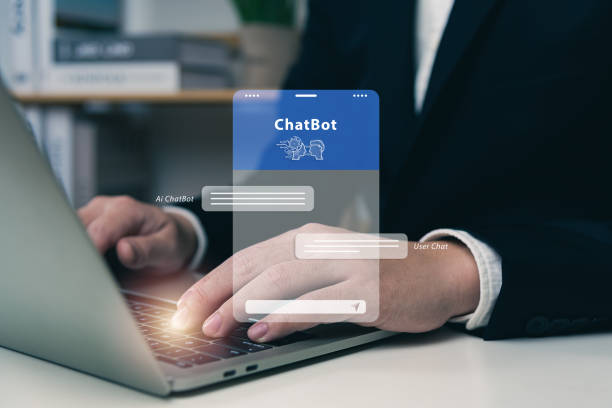
Customer service has evolved alongside advances in technology.
| Time Period | Primary Support Channel |
|---|---|
| 1990s | Telephone support |
| Early 2000s | Email support |
| 2010s | Live chat |
| 2020s | AI-powered chatbots |
| Emerging Future | Hybrid AI + Human support |
Today’s leading organizations increasingly combine AI automation with skilled human agents to deliver fast, accurate, and personalized support.
Industry Insight
Customers often value speed for simple questions and human understanding for complex or emotional issues. Businesses that combine chatbots with live chat can provide both.
Modern consumers expect businesses to be available whenever they need assistance. Whether shopping online late at night or seeking technical help during a lunch break, they prefer immediate answers over delayed email responses.
Instant communication offers several benefits:
Companies that fail to meet these expectations risk losing customers to competitors that offer faster and more responsive support experiences.
| Feature | Chatbot | Live Chat |
|---|---|---|
| Availability | 24/7 | Depends on staffing |
| Response Speed | Instant | Fast, but agent-dependent |
| Human Interaction | Limited | High |
| Emotional Understanding | Basic to Moderate | Excellent |
| Scalability | Very High | Limited by team size |
| Operating Cost | Lower | Higher |
| Best Use Cases | FAQs, automation, order tracking | Sales, complaints, technical support |
The most significant difference between chatbots and live chat is the presence—or absence—of a human.
Chatbots rely on programmed logic or AI models. They can recognize patterns, retrieve information, and generate responses based on training data. While AI has improved dramatically, chatbots may still struggle with highly emotional or ambiguous conversations.
Live chat representatives bring human judgment, empathy, creativity, and flexibility to every interaction. They can understand subtle cues, clarify misunderstandings, and adapt their communication style to suit each customer’s needs.
A customer says:
“I’m disappointed because my birthday gift arrived late.”
A chatbot might provide shipment tracking details.
A live agent is more likely to apologize sincerely, explain the delay, offer compensation if appropriate, and reassure the customer—turning a negative experience into a positive one.
One of the greatest advantages of chatbots is their ability to operate continuously.
Unlike human teams, chatbots do not require breaks, shifts, or holidays. They can assist customers:
Live chat availability depends on staffing levels. While some large organizations provide 24/7 human support, maintaining round-the-clock teams requires significant investment.
For businesses serving global audiences, chatbots ensure that customers always receive immediate assistance, even when human agents are offline.
✅ Best Practice
Use a chatbot as the first point of contact to answer routine questions and collect basic information. When a conversation becomes too complex or sensitive, seamlessly transfer the customer to a live support representative. This hybrid approach combines automation with personalized service.

Overview
Chatbots have become a valuable tool for organizations looking to provide fast, scalable, and cost-effective customer support. Powered by rules-based automation or artificial intelligence (AI), they can handle routine tasks with remarkable speed and consistency.
Unlike human agents, chatbots never sleep. They can answer customer questions at any time of the day, including weekends and public holidays. This ensures that customers always receive an immediate response, regardless of their location or time zone.
Customers increasingly expect quick answers. Chatbots respond within seconds, reducing wait times and improving the overall user experience for common inquiries such as order tracking, password resets, and business hours.
A single chatbot can handle hundreds or even thousands of conversations simultaneously. This makes chatbots particularly useful during peak shopping seasons, product launches, or promotional events when customer inquiries surge.
Once deployed, chatbots can automate repetitive tasks, reducing the workload on human support teams. This helps businesses lower staffing costs while allowing employees to focus on complex customer issues.
Ideal Uses for Chatbots
- Frequently Asked Questions (FAQs)
- Order tracking
- Appointment scheduling
- Lead qualification
- Product recommendations
- Account balance inquiries
- Basic troubleshooting
While automation is powerful, there are situations where human interaction is essential. Live chat enables businesses to provide personalized, empathetic, and flexible support that AI alone cannot fully replicate.
Human agents adapt their communication style based on the customer’s tone, preferences, and unique circumstances. This personal touch helps build trust and long-term relationships.
Complex issues often require critical thinking, judgment, and creativity. Live chat agents can ask follow-up questions, investigate unusual situations, and provide tailored solutions.
Customers experiencing frustration or disappointment appreciate empathy. Human representatives can apologize sincerely, reassure customers, and de-escalate difficult situations in ways that automated systems may struggle to achieve.
Live agents can identify buying signals during conversations, recommend suitable products, answer detailed questions, and guide customers toward completing a purchase.
Expert Insight
Businesses selling high-value products or services often achieve higher conversion rates when knowledgeable human agents assist customers during the purchasing process.
Despite their many strengths, chatbots are not suitable for every situation.
Although AI has improved significantly, chatbots can still misunderstand ambiguous questions, slang, or highly specific requests.
Customers facing sensitive issues may feel frustrated if they receive automated responses instead of compassionate human support.
AI chatbots perform best when trained on accurate, comprehensive information. Poor-quality data can lead to incorrect or confusing answers.
Human-powered support also has challenges.
Hiring, training, and managing customer service representatives requires significant investment. Businesses must also account for salaries, benefits, and ongoing training.
Unless a company staffs multiple shifts, live chat is often available only during business hours.
A human agent can manage only a limited number of conversations simultaneously. During busy periods, customers may experience longer wait times.
Understanding the financial implications helps businesses choose the right support model.
| Cost Factor | Chatbot | Live Chat |
|---|---|---|
| Initial Setup | Moderate | Low to Moderate |
| Ongoing Costs | Lower | Higher |
| Staffing Requirements | Minimal | Significant |
| Scalability | Excellent | Limited |
| Cost Per Conversation | Low | Higher |
While chatbots require investment in software and integration, they often reduce long-term operating expenses by automating repetitive interactions. Live chat, however, remains essential for handling high-value or complex customer engagements.
Business Tip
Many organizations reduce costs by allowing chatbots to answer routine questions first and transferring only complex conversations to human agents.
Both technologies contribute to customer satisfaction, but in different ways.
Customers appreciate chatbots for their speed and convenience. They are ideal when users need quick answers to straightforward questions without waiting for a human representative.
Live chat excels when customers require personalized guidance, reassurance, or assistance with complicated issues. Human interaction often leaves customers feeling understood and valued.
The best customer experience often combines the strengths of both approaches.
An online retailer uses a chatbot to answer questions about shipping, returns, and product availability. If a customer reports receiving a damaged item, the chatbot transfers the conversation to a live support agent who arranges a replacement.
A financial institution uses chatbots to provide account information, branch locations, and loan eligibility details. Fraud reports and complex financial questions are handled by trained specialists through live chat.
A healthcare provider uses chatbots to schedule appointments and send reminders, while licensed professionals address medical concerns through secure live chat channels.
When to Use Each Solution
Choose Chatbots When:
- Speed is the priority.
- Questions are repetitive.
- You need 24/7 availability.
- Large volumes of inquiries are expected.
Choose Live Chat When:
- Issues are complex.
- Empathy is required.
- Sales consultations are involved.
- Customer trust is critical.
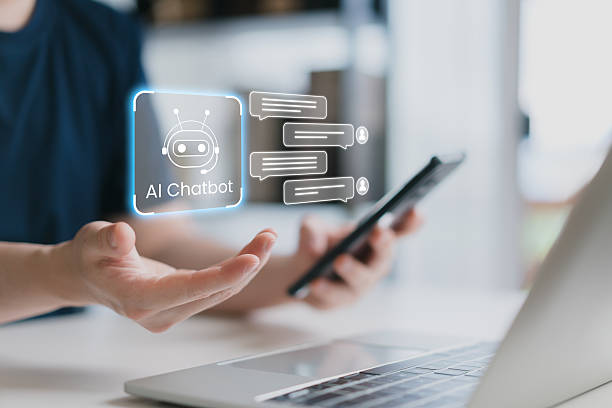
Customer service is rapidly evolving. Artificial intelligence is making chatbots more intelligent, while human agents continue to play a vital role in handling complex, emotional, and high-value interactions. The future belongs to businesses that combine automation with human expertise.
Artificial intelligence is transforming how businesses communicate with customers. Modern AI assistants are becoming more accurate, context-aware, multilingual, and capable of understanding increasingly complex requests. However, AI is not replacing human customer service—it is enhancing it.
Over the next several years, organizations are expected to invest in hybrid customer support, where AI handles routine inquiries and human representatives focus on conversations requiring empathy, creativity, and decision-making.
Key trends include:
Future Success Strategy
Businesses that combine AI efficiency with human expertise are likely to deliver faster responses, higher customer satisfaction, and better long-term loyalty than those relying on only one approach.
Whether implementing a chatbot, live chat, or both, organizations should follow these best practices:
Determine whether your goal is to reduce support costs, increase sales, improve response times, or enhance customer satisfaction. Your objectives will influence the technology and workflows you choose.
Customers should never feel trapped in an automated conversation. If a chatbot cannot resolve an issue, it should quickly transfer the conversation—and its context—to a live agent.
Both chatbots and human agents depend on accurate information. Regularly review FAQs, product details, policies, and troubleshooting guides to ensure responses remain reliable.
Track key metrics such as:
Continuous monitoring helps identify opportunities for improvement.
Businesses often make avoidable mistakes when implementing conversational support.
Relying entirely on chatbots can frustrate customers who need personalized assistance.
Even the best live chat platform cannot compensate for poorly trained support representatives.
AI chatbots require ongoing training and maintenance. Outdated information can lead to incorrect responses and reduced customer trust.
Support tools should integrate with customer relationship management (CRM) systems, order management platforms, and knowledge bases to provide accurate, context-aware assistance.
Remember
Technology should simplify the customer experience—not create additional frustration. Always provide customers with an easy way to reach a human representative when necessary.
| Category | Chatbot | Live Chat |
|---|---|---|
| Speed | Excellent | Very Good |
| Personalization | Moderate to High (AI-dependent) | Excellent |
| Empathy | Limited | Excellent |
| Scalability | Excellent | Limited |
| Cost Efficiency | High | Moderate |
| Complex Problem Solving | Moderate | Excellent |
| Availability | 24/7 | Depends on staffing |
| Best For | Routine inquiries | Complex support and sales |
The answer depends on your goals, customers, and available resources.
Choose chatbots if you:
Choose live chat if you:
For many organizations, the strongest approach is a hybrid model where chatbots provide instant assistance and live agents handle situations requiring human judgment.
Chatbots and live chat are not competing technologies—they are complementary tools that solve different customer service challenges.
Chatbots deliver speed, efficiency, and scalability, making them ideal for routine interactions and high-volume support. Live chat provides empathy, flexibility, and expert guidance, helping businesses resolve complex issues and build stronger customer relationships.
As artificial intelligence continues to advance, the distinction between automated and human-assisted conversations will become less noticeable. The organizations that succeed will be those that thoughtfully combine AI automation with skilled human support, creating customer experiences that are both efficient and genuinely helpful.
Investing in the right balance of technology and people enables businesses to improve customer satisfaction, increase operational efficiency, and remain competitive in an increasingly digital marketplace.
Key Takeaways
- Chatbots provide instant, 24/7 automated support.
- Live chat offers personalized, human-centered assistance.
- AI improves efficiency but does not replace empathy.
- Hybrid support models often deliver the best customer experience.
- Continuous improvement, staff training, and accurate knowledge bases are essential for long-term success.
Artificial Intelligence (AI): Technology that enables machines to perform tasks that typically require human intelligence.
Chatbot: Software that communicates with users through automated conversations.
Customer Satisfaction (CSAT): A metric measuring how satisfied customers are with a service or interaction.
First Contact Resolution (FCR): Resolving a customer’s issue during the first interaction.
Live Chat: Real-time messaging between customers and human support representatives.
Natural Language Processing (NLP): AI technology that enables computers to understand and generate human language.